
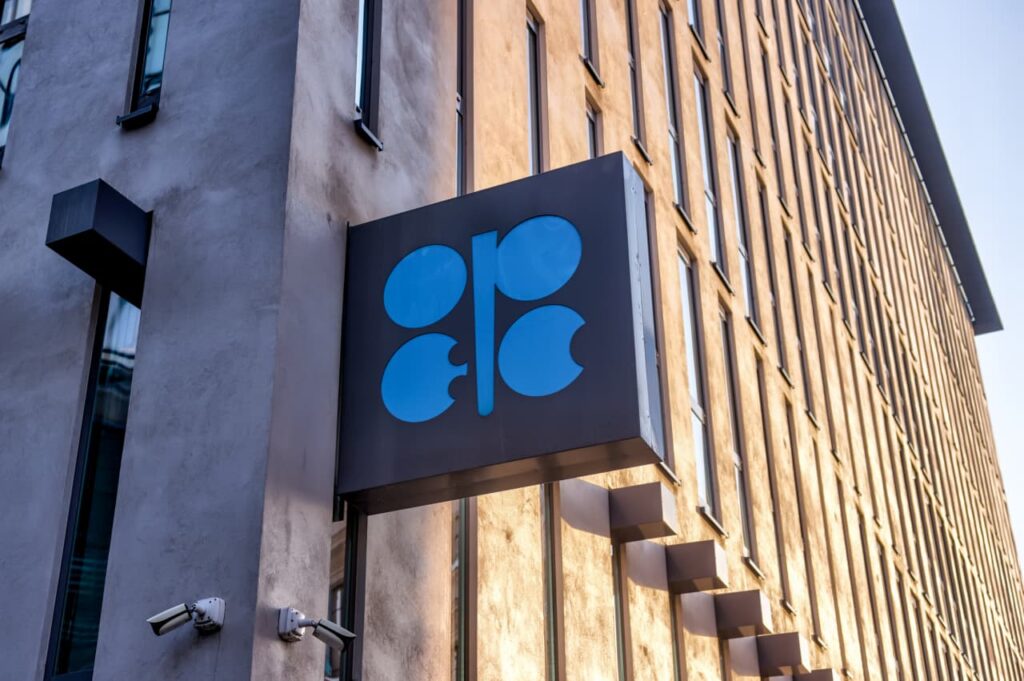
The Organization of the Petroleum Exporting Countries (OPEC) has long stood as a powerful force in global energy markets, its collective decisions shaping oil prices and supply dynamics for decades. However, the landscape is shifting dramatically. Amidst ambitious national development agendas, a global push for energy transition, and evolving geopolitical alliances, the cohesion that once defined the cartel appears increasingly strained. Speculation is mounting about the future of some of its most influential members, particularly those with significant production capabilities and diverging national interests. The United Arab Emirates (UAE) has frequently been singled out as a prime candidate contemplating a move beyond OPEC's traditional orbit, but it may not be the only nation weighing its options in a rapidly changing world.
The UAE's Ambitious Vision and OPEC's Constraints
The United Arab Emirates stands at a pivotal juncture, driven by an overarching national strategy to diversify its economy and elevate its global standing. With massive investments in non-oil sectors, renewable energy, and technology, the UAE is charting an independent course towards a post-hydrocarbon future. This ambitious vision often conflicts with the production quotas imposed by OPEC, which are designed to stabilize global oil markets but can stifle a member's full economic potential. The UAE possesses substantial crude oil reserves and has invested heavily in boosting its production capacity, making it one of the few nations capable of significantly increasing output in the short to medium term. The desire to fully leverage this capacity, without the constraints of collective agreements, is a powerful motivator for a nation focused on rapid growth and strategic autonomy.
Economic Imperatives vs. Cartel Diplomacy
For the UAE, adherence to OPEC quotas can translate into foregone revenue and a slower pace for its national development goals. The nation's leadership has been vocal about its desire for greater flexibility in managing its oil policy, aligning it more closely with its long-term economic diversification plans rather than purely with OPEC's collective market management objectives. This push for self-determination in energy policy reflects a broader strategic realignment where national economic imperatives are taking precedence over the traditional diplomacy of the cartel. The UAE's robust financial position and strong international partnerships further empower it to consider paths that might have been unthinkable for smaller or less diversified economies within OPEC.
Beyond the UAE: Who Else Might Seek Autonomy?
While the UAE is frequently at the forefront of discussions about potential departures, the underlying pressures it faces are not unique. Analysts often identify a second category of nations, or specific, though unnamed, members within OPEC that might eventually consider similar shifts. These could be countries with significant untapped production potential, eager to maximize their resource utilization to fund critical national development. Alternatively, they might be smaller producers whose voices feel marginalized within the cartel, seeking greater control over their own market strategies to optimize revenue in a volatile environment. The common thread among these potential candidates is a growing divergence between their national economic and strategic priorities and the collective agreements that define OPEC membership.
A Shifting Balance of Power
The prospect of even one or two major producers charting an independent course raises fundamental questions about OPEC's future influence. The cartel's power has historically stemmed from its ability to collectively manage supply, but a loss of key members could fragment this power, leading to a more unpredictable global oil market. Nations seeking greater autonomy might aim to forge new alliances or simply operate with unconstrained production policies, potentially altering the competitive landscape for years to come. This changing dynamic underscores a broader trend in global energy where individual national interests are increasingly challenging the established order of multilateral organizations.
Implications for Global Oil Markets and OPEC's Future
The departure of a major producer from OPEC would send significant ripples through global oil markets. Such a move could lead to increased supply volatility in the short term, as the market adjusts to a less coordinated production environment. For OPEC itself, it would undoubtedly weaken its collective bargaining power and could precipitate further internal dissent, potentially accelerating a redefinition of its role in the global energy ecosystem. The cartel might need to adapt its strategies, perhaps focusing more on geopolitical alignment among its remaining members or even accepting a diminished role in market management. For the departing nations, the benefits of unconstrained production must be weighed against the potential loss of OPEC's collective security and influence.
As the world grapples with energy transition and geopolitical shifts, the once-unquestioned solidarity of OPEC is being tested like never before. The UAE's ambitious trajectory offers a clear example of national interests potentially diverging from cartel directives, setting a precedent that other nations, driven by similar aspirations for economic autonomy and strategic flexibility, might ultimately follow. The coming years will reveal whether these individual pursuits of national interest will reshape the very foundations of global oil governance.
Fonte: https://www.marketwatch.com