
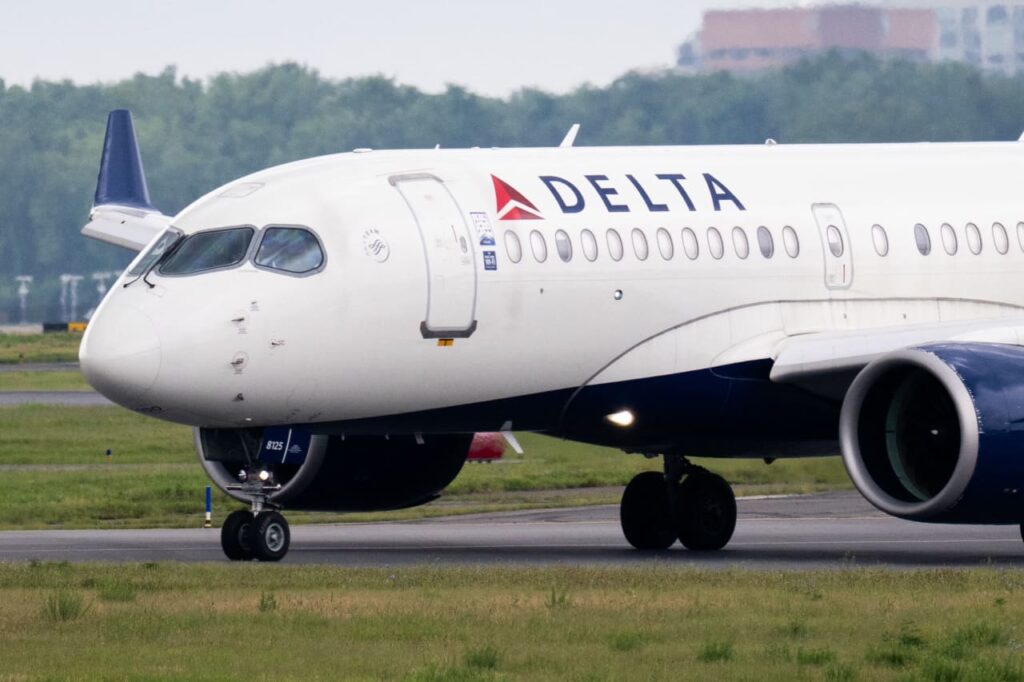
In a decisive strategic shift, Appaloosa, the influential hedge fund led by billionaire investor David Tepper, has completely divested its holdings in three of the largest U.S. carriers: Delta Air Lines, American Airlines, and United Airlines. This dramatic move signals a significant lack of confidence in the aviation sector's immediate future, especially as the industry grapples with escalating operational challenges. Concurrently, the fund has redirected its capital into the burgeoning digital economy, substantially increasing its stake in e-commerce titan Amazon and ride-sharing and delivery giant Uber.
A Strategic Retreat from Airline Investments
Appaloosa's decision to liquidate its entire positions in these prominent airline stocks underscores a bearish outlook on a sector historically sensitive to economic headwinds and geopolitical events. The divestment of 'the big three' American airlines is particularly noteworthy, as these companies represent a significant portion of the U.S. aviation market. This action suggests that the fund perceives systemic issues that make these investments less attractive compared to other opportunities.
Navigating Turbulent Skies: The Impact of Fuel Prices
A primary driver behind this significant re-evaluation of airline stocks is the relentless surge in fuel costs. Jet fuel represents one of the largest and most volatile expenses for airlines, directly impacting profitability and operational margins. With global energy prices experiencing considerable volatility, the ability of airlines to maintain financial stability and generate consistent returns for shareholders is severely challenged. This persistent pressure on their bottom line makes the sector a riskier proposition for institutional investors like Appaloosa.
Charting a Course Towards Digital Growth
The simultaneous move to significantly increase exposure to Amazon and Uber highlights a clear pivot towards companies positioned for growth in the digital and gig economies. This strategic reallocation of capital reflects a belief in the long-term resilience and expansion potential of technology-driven businesses, even amidst broader market uncertainties. These companies offer distinct advantages, operating models, and revenue streams that contrast sharply with the capital-intensive and commodity-price-sensitive airline industry.
Understanding the Pivot to E-commerce and Mobility
Amazon, a leader in e-commerce, cloud computing, and digital services, continues to benefit from secular trends in online consumption and digital transformation. Its vast logistics network and diversified business model offer a degree of insulation from the direct impacts of soaring fuel costs that plague airlines. Similarly, Uber, a dominant force in ride-sharing and food delivery, represents a significant play on urban mobility and the convenience economy, sectors that have demonstrated robust growth and adaptability. Appaloosa's investment strategy appears to favor businesses with strong network effects, scalable digital platforms, and less direct exposure to traditional industrial headwinds.
Appaloosa's Calculated Bet and Broader Market Implications
Appaloosa's track record of making impactful and often prescient investment calls lends considerable weight to this latest portfolio overhaul. The fund’s complete exit from major airline stocks, while simultaneously bolstering its tech holdings, sends a potent signal to the broader investment community. It suggests a conviction that the current economic environment favors agile, digitally native companies over traditional sectors heavily reliant on stable commodity prices and predictable consumer travel patterns. This move could influence other institutional investors to re-examine their own exposures to these contrasting sectors.
Ultimately, Appaloosa's dramatic rebalancing reflects an adaptation to prevailing market forces and a forward-looking perspective on where value is most likely to be generated. By shedding its entire stake in Delta, American, and United amidst rising fuel costs and embracing the growth narratives of Amazon and Uber, the hedge fund is making a clear statement about its perception of risk and opportunity in the current global economic landscape.
Fonte: https://www.marketwatch.com