
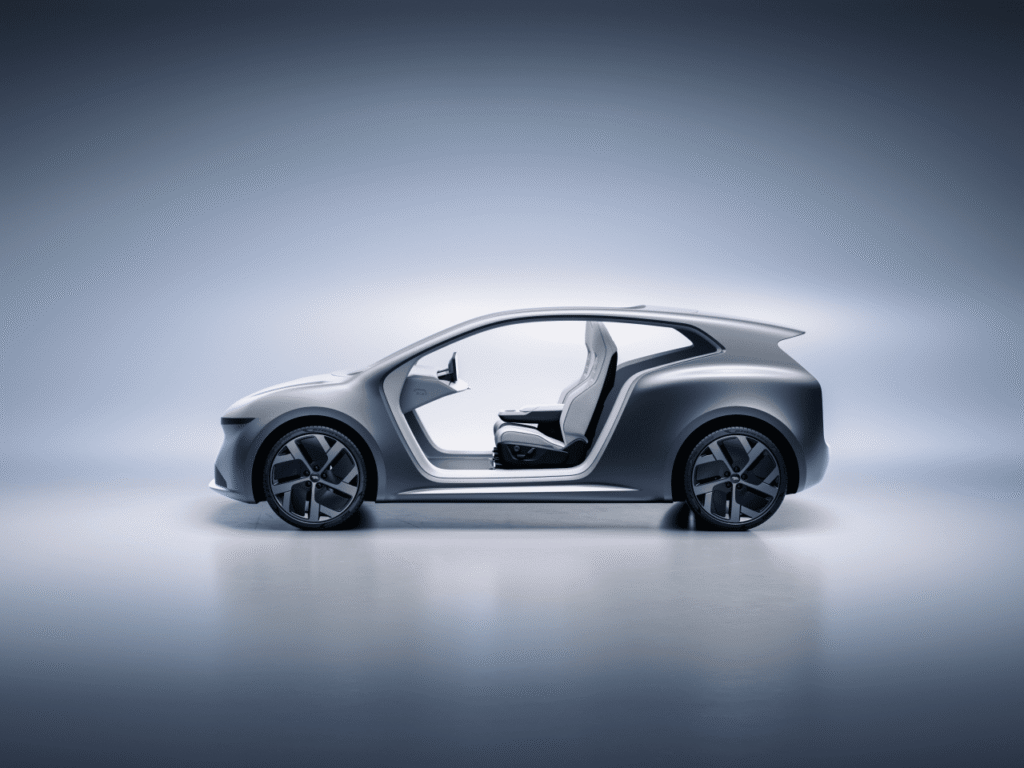
Luxury electric vehicle manufacturer Lucid finds itself in a precarious position, battling significant investor apprehension despite recent strategic maneuvers. The company, known for its high-performance Air sedan, has seen its stock continue to languish even after announcing the appointment of a new chief executive and striking a notable partnership with ride-sharing giant Uber. This perplexing market reaction underscores deep-seated concerns regarding Lucid's long-term financial stability and its capacity to thrive in a fiercely competitive automotive landscape.
Leadership Shake-Up and Strategic Alliances
The move to bring in new leadership was widely perceived as an attempt to inject fresh perspective and operational vigor into the premium EV maker. A change at the helm often signals a strategic pivot, aiming to streamline operations, enhance production efficiencies, and solidify financial footing. For Lucid, this transition is particularly critical as it seeks to scale its manufacturing capabilities and expand its market presence amidst intense capital expenditure requirements inherent to the luxury EV sector.
The Uber Deal: A Path to New Horizons?
Further bolstering its strategic efforts, Lucid also revealed a partnership with Uber, a collaboration that initially sparked interest for its potential to diversify revenue streams or showcase Lucid's technology on a broader platform. While the specifics of the deal remain under scrutiny, such an alliance could, in theory, offer benefits ranging from increased brand visibility to opportunities in the burgeoning autonomous vehicle or premium mobility services sectors. However, the market’s muted response suggests investors are looking beyond headline partnerships towards more fundamental indicators of business health.
Persistent Investor Skepticism Lingers
Despite these outwardly positive developments, the market's reaction clearly indicates that underlying investor anxieties persist, overshadowing any short-term optimism. Paramount among these concerns is Lucid's substantial cash burn rate, its ability to consistently meet production targets, and the formidable challenge of competing against established automotive giants and other well-funded EV startups. The luxury EV segment, while lucrative, demands immense capital investment for research, development, and manufacturing scale, putting immense pressure on companies yet to achieve sustainable profitability.
This sustained skepticism translates directly into the continued downward pressure on Lucid's stock. For many investors, a new CEO and a strategic deal, while potentially beneficial in the long run, do not fundamentally alter the immediate perception of the company's precarious financial position. The market appears to be demanding concrete evidence of increased revenue, reduced losses, and a clear path to self-sufficiency before it is willing to re-evaluate the company's valuation. The fear of whether the EV maker can truly 'stay afloat' remains a dominant narrative.
In conclusion, Lucid finds itself at a critical juncture. While proactive steps like leadership changes and strategic partnerships are undoubtedly important, they alone have not been sufficient to assuage the market's profound concerns regarding its financial viability. The road ahead for the luxury EV innovator will likely depend on its ability to execute flawlessly, demonstrate robust operational performance, and prove its capacity for sustainable growth to finally win back investor confidence.
Fonte: https://www.marketwatch.com