
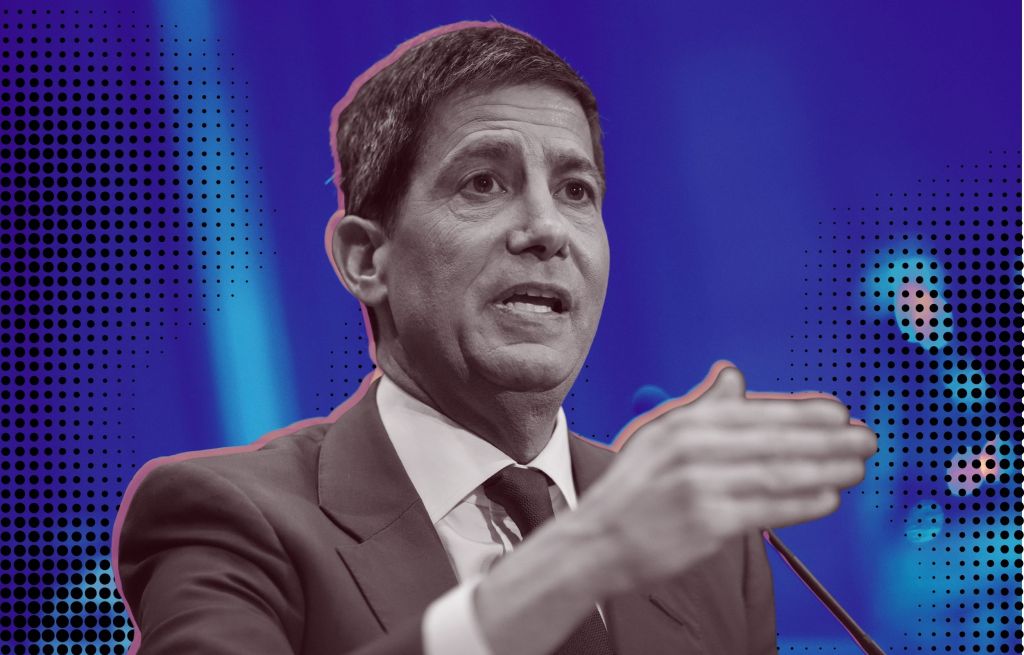
The United States Senate has confirmed Kevin Warsh as the new Federal Reserve Chair, marking a significant transition in leadership for the nation's central bank. Warsh, a veteran of Wall Street and a former Fed governor, steps into the role at a particularly precarious moment for the American economy, taking the reins from Jerome Powell. His appointment signals a new chapter for monetary policy as the institution grapples with persistent inflation and increasingly complex interest rate decisions, creating an environment ripe for scrutiny and potential strategic shifts.
The change in leadership comes at a time when the Federal Reserve’s decisions have profound implications for global markets, consumer spending, and the broader economic outlook. With inflation proving more stubborn than anticipated and the debate around economic growth intensifying, Warsh's leadership style and policy preferences will be closely watched by investors, policymakers, and the public alike. This 'regime change' at the Fed is not merely a personnel shift but potentially a reorientation of the nation's economic steering wheel.
A New Steward for Monetary Policy
Kevin Warsh brings a distinctive background to the top post. Having previously served on the Federal Reserve Board of Governors, he possesses an intimate understanding of the central bank's inner workings. His experience extends to the private sector, where he garnered insights into financial markets and corporate strategy. This blend of regulatory and market expertise positions him to address the multifaceted challenges confronting the Federal Reserve today. Market analysts are keen to understand how his philosophical leanings, often perceived as favoring disciplined monetary policy, might influence future decisions.
The outgoing Chair, Jerome Powell, navigated the economy through an unprecedented period of crisis, including the global pandemic and its ensuing economic dislocations. His tenure was marked by aggressive stimulus measures and, more recently, a challenging pivot toward combating inflation through a series of rate hikes. Warsh inherits a delicate balancing act, needing to preserve economic stability while reining in price surges without tipping the economy into recession – a task that demands both foresight and decisive action from the new Federal Reserve Chair.
Tackling Persistent Inflation
The most pressing issue on the agenda for the new Federal Reserve Chair is undoubtedly the stubbornly high rate of inflation. Factors ranging from global supply chain disruptions to robust consumer demand have contributed to price increases across various sectors. This inflationary pressure erodes purchasing power for households and creates uncertainty for businesses, making it the central focus of the Fed's mandate for price stability. How Warsh chooses to confront this challenge will define the initial phase of his leadership.
The Interest Rate Conundrum
Crucially, the fight against inflation directly impacts interest rate decisions. The Federal Reserve's primary tool for managing inflation is adjusting the federal funds rate, which influences borrowing costs throughout the economy. Raising rates too aggressively risks stifling economic growth and potentially triggering a recession, while not raising them enough could allow inflation to become entrenched. The new Federal Reserve Chair will face intense pressure to strike the right balance, carefully weighing economic data and market expectations to guide future policy. Any divergence from anticipated rate paths could send ripples across financial markets.
Anticipating Policy Shifts Under Warsh
Observers are now looking for clues regarding potential shifts in the Federal Reserve's monetary policy under Kevin Warsh's guidance. Given his background and previous statements, some analysts anticipate a more hawkish stance on inflation, potentially signaling a greater willingness to implement stricter monetary tightening measures. This could involve not only continued interest rate hikes but also adjustments to the Fed's balance sheet reduction strategy, commonly known as quantitative tightening.
The market will also be attuned to how Warsh communicates the Fed's intentions. Clear and consistent forward guidance is essential for minimizing volatility and anchoring expectations. As the new Federal Reserve Chair, Warsh's ability to articulate the central bank's strategy effectively will be paramount in fostering confidence and ensuring the smooth functioning of financial markets during this challenging economic period.
Conclusion: A Pivotal Moment for the Economy
The confirmation of Kevin Warsh as the new Federal Reserve Chair marks a critical juncture for the U.S. economy. He inherits a complex landscape defined by persistent inflationary pressures and the delicate dance of interest rate management. His leadership will be instrumental in guiding the nation through these economic uncertainties, shaping everything from employment figures to the cost of borrowing.
As the world watches, Warsh's decisions will have far-reaching implications, not just for the domestic economy but for global financial stability. The challenge is immense, but the expectation is that the new Federal Reserve Chair will deploy his experience and strategic vision to ensure sustained economic health and price stability in the years to come.
Fonte: https://www.entrepreneur.com