
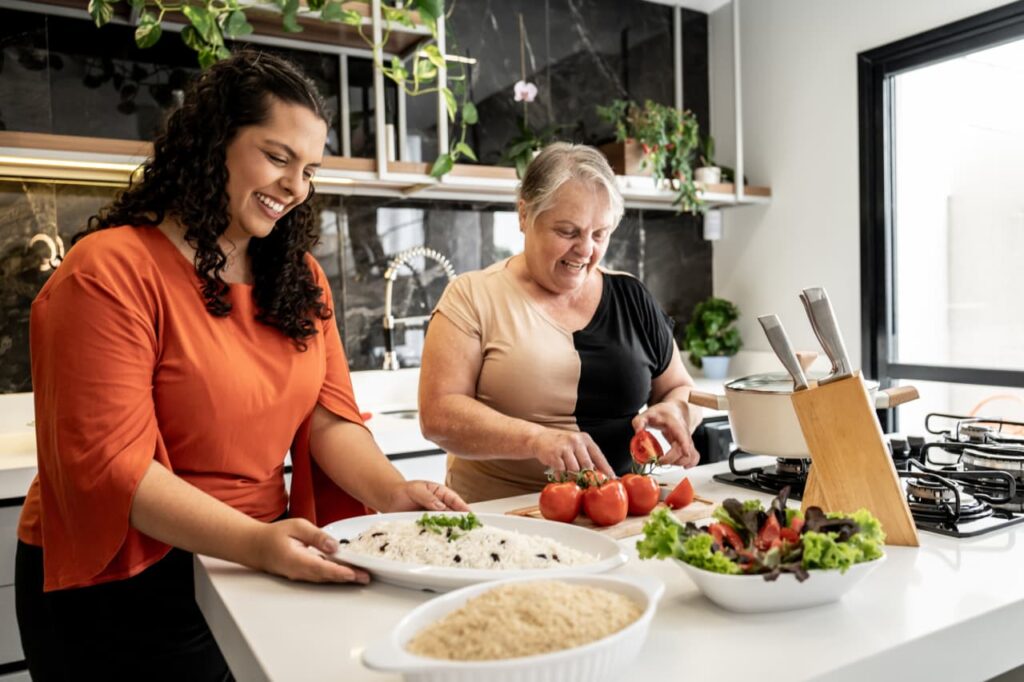
In a significant shift reflecting evolving societal needs, more American families are embracing multigenerational living, opting to purchase homes designed to accommodate multiple generations under one roof. What was once a common arrangement in past centuries, and has always been prevalent in many cultures globally, is experiencing a remarkable resurgence across the United States. This trend is driven by a complex interplay of economic pressures, a changing demographic landscape—particularly the aging Baby Boomer population—and a renewed desire for deeper family connection and mutual support. For many, this unique living model is proving to be a practical and emotionally rewarding answer to a multitude of modern challenges, providing not just financial relief but also a profound sense of community and security.
Rediscovering the Benefits of Shared Households
While the idea of adult children, parents, and grandparents cohabiting might seem like a throwback, its contemporary appeal lies in addressing very current issues. The nuclear family structure, which dominated much of the 20th century, is increasingly being supplemented or replaced by households where three or even four generations share daily life. This isn't just about financial necessity; it's also about a desire to pool resources, provide care for dependents, and foster stronger family bonds, creating a robust support system that can navigate life's complexities more effectively than isolated units.
Driving Forces Behind the Multigenerational Movement
Economic Realities and Affordability
One of the most compelling reasons for the growth in multigenerational living is the economic landscape. Soaring housing costs, high interest rates, inflation, and increasing student loan debt make it challenging for younger generations to afford homes independently. Pooling incomes and sharing expenses for utilities, groceries, and property taxes can significantly alleviate financial strain for all involved. For older generations, selling a larger, empty nest home and contributing to a shared purchase can free up capital, reduce individual housing burdens, and potentially improve their retirement security.
An Aging Population and Evolving Care Needs
The demographic shift driven by the aging Baby Boomer generation is another powerful catalyst. As Boomers enter their later years, many require varying degrees of care or simply seek closer proximity to family. Multigenerational homes offer a practical solution for adult children to provide care for elderly parents, ensuring they receive support in a familiar, loving environment without the prohibitive costs or emotional distance often associated with assisted living facilities. This arrangement also benefits seniors by reducing social isolation and fostering a sense of purpose within the family unit.
Childcare Solutions and Family Support
For younger families, the availability of built-in childcare from grandparents is an invaluable asset. With the rising costs of daycare and the demands of dual-income households, having grandparents on-site can be a game-changer, offering reliable, loving care that strengthens intergenerational ties. This mutual support extends beyond childcare, encompassing shared responsibilities, emotional encouragement, and practical assistance that benefits every family member, from school-aged children to working adults.
Designing Homes for Harmonious Shared Living
The demand for multigenerational living has spurred a wave of innovative home design. Builders are increasingly offering floor plans specifically tailored for shared households, featuring amenities like dual master suites, separate living areas or kitchenettes, private entrances, and accessory dwelling units (ADUs). These designs prioritize both communal spaces for family gatherings and private retreats for individual members, ensuring that everyone has their own space and maintaining a sense of autonomy within the larger household. The focus is on creating environments that promote harmony and respect for each generation's needs and privacy.
Beyond Practicality: The Emotional and Social Rewards
While the practical benefits are substantial, the emotional dividends of multigenerational living are often what families cherish most. The constant presence of loved ones fosters deeper bonds, allows for the easy transmission of family traditions and wisdom, and provides a powerful antidote to loneliness. Children grow up with strong relationships with their grandparents, while adults experience reduced stress and a greater sense of security knowing their family is nearby. This collective strength and shared joy resonate deeply, affirming for many that this choice truly 'answered a lot of prayers' by creating a richer, more connected family life.
As demographics continue to shift and economic pressures persist, multigenerational living is poised to remain a prominent and attractive option for American families. It represents a powerful adaptation to modern challenges, demonstrating how traditional family structures can be reimagined to provide robust support systems, foster deeper connections, and enhance the quality of life for all generations under one roof. This growing trend is more than just a housing solution; it's a testament to the enduring strength and adaptability of family bonds in contemporary society.
Fonte: https://www.marketwatch.com