
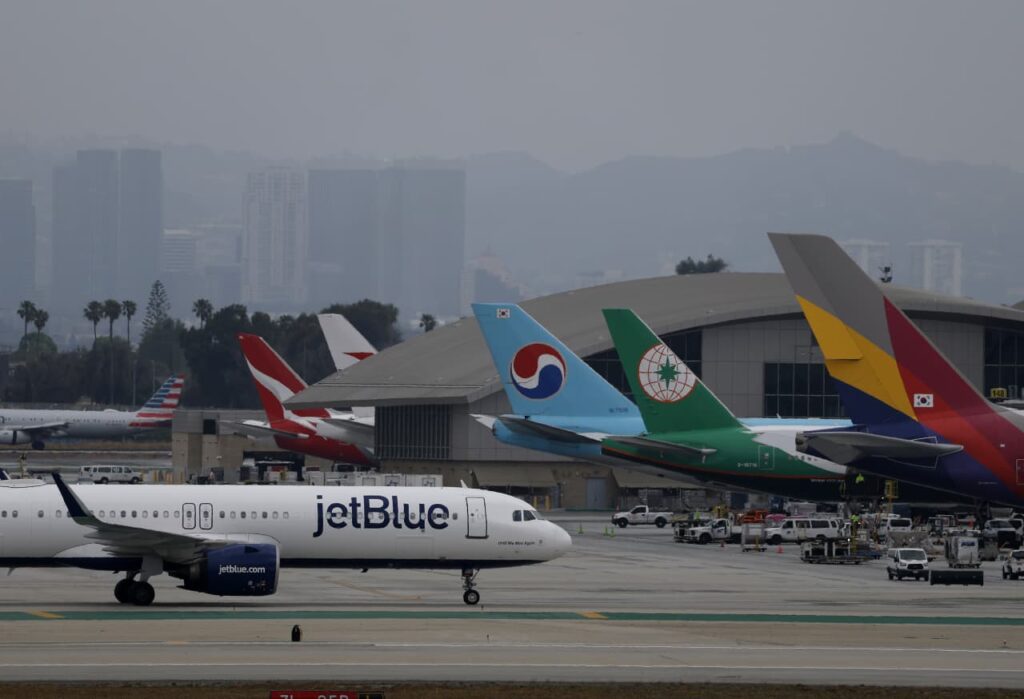
Air travelers are increasingly encountering a challenging landscape characterized by fewer flight options, dwindling routes, and significantly higher ticket prices. This complex scenario is primarily driven by the relentless surge in global fuel costs, forcing airlines worldwide to make difficult operational decisions that directly impact passengers' travel plans and budgets. The ripple effect is reshaping expectations for both domestic and international journeys.
The Unyielding Pressure of Sky-High Fuel Prices
Jet fuel represents one of the most substantial operating expenses for airlines, often accounting for a significant portion of their overall budget. Recent geopolitical events, coupled with persistent supply chain disruptions, have propelled crude oil prices to historic highs. This directly translates into exorbitant costs at the pump for aviation fuel, leaving carriers with a formidable financial burden. Airlines, already navigating a tight profit margin environment, find it increasingly difficult to absorb these escalating expenses without adjusting their operations and pricing strategies.
Airlines Respond with Strategic Flight Cuts
Faced with unsustainable fuel bills, carriers worldwide are implementing <strong>flight cuts</strong> as a strategic measure to manage costs and maintain financial viability. These aren't arbitrary reductions but carefully calculated decisions designed to optimize routes and schedules. Airlines are re-evaluating less profitable segments, reducing frequency on certain routes, and in some cases, completely suspending services to destinations that no longer offer adequate returns given the current high cost structure.
Reduced Connectivity and Route Limitations
The immediate consequence of these schedule adjustments is a noticeable reduction in connectivity for travelers. What once might have been a convenient direct flight or a simple one-stop journey could now require multiple layovers or necessitate choosing less desirable departure times. For many, this translates to longer travel times, increased complexity in booking, and a shrinking pool of viable options for reaching their desired destinations, thereby impacting flexibility and convenience.
The Direct Impact on Passenger Fares and Summer Travel
With fewer seats available in the market due to widespread <strong>flight cuts</strong> and sustained passenger demand, the fundamental economic principle of supply and demand dictates a predictable outcome: higher ticket prices. Airlines are passing on a portion of their increased operating costs directly to consumers, leading to a significant uptick in <strong>airline fares</strong> across the board. This trend is particularly pronounced for peak travel periods when demand naturally surges.
Preparing for a Pricier Summer Travel Season
As the crucial summer travel season approaches, experts warn that these elevated <strong>airline fares</strong> are likely to persist, if not climb further. Travelers planning vacations or business trips during these months should anticipate paying a premium for their journeys. Early booking has become more critical than ever, not only to secure preferred routes and times but also to potentially mitigate some of the steepest price hikes that tend to occur closer to departure dates. The era of cheap, readily available flights appears to be temporarily on hold, at least until global fuel market conditions stabilize.
Fonte: https://www.marketwatch.com