
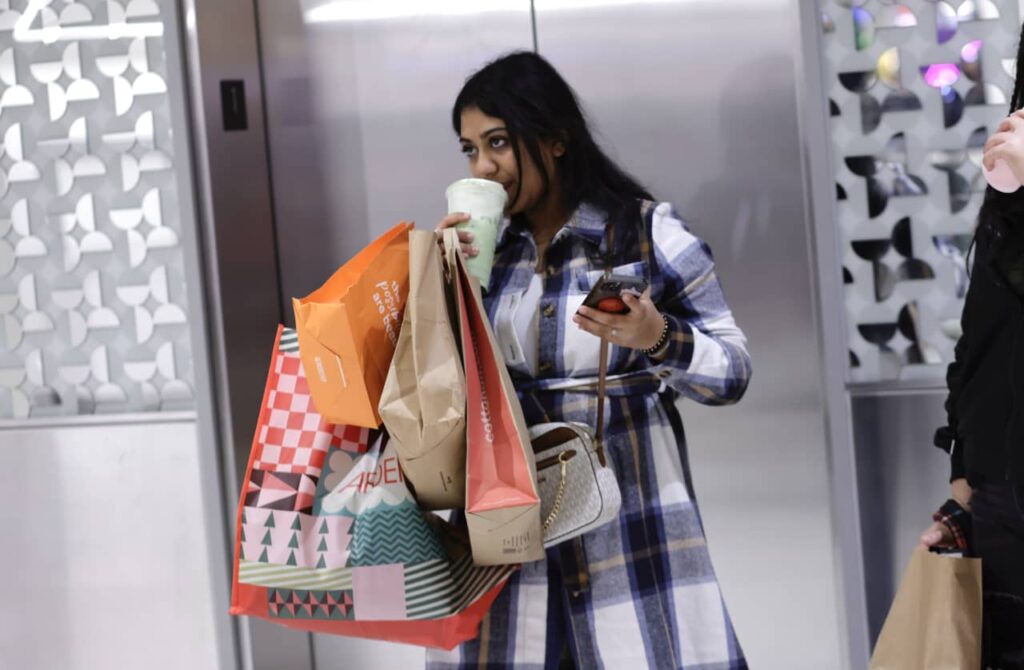
A notable shift in American economic behavior has surfaced, with consumer spending showing an unexpected decline, according to recent analysis from Bank of America. The nation's second-largest bank, which processes a vast volume of credit and debit card transactions, observed a distinct U.S. spending slump among its customer base. This sudden downturn in a key economic indicator has left many analysts scratching their heads, searching for concrete explanations behind the puzzling trend.
The Data: A Clear Signal of Consumer Caution
Bank of America's findings, derived from the everyday financial activities of millions of Americans, point to a noticeable deceleration in purchasing habits. While the specifics of the data often remain proprietary, the bank's public acknowledgment of a significant U.S. spending slump suggests a widespread change rather than an isolated anomaly. Consumer spending is widely regarded as the engine of the American economy, typically accounting for roughly 70% of the nation's Gross Domestic Product. Any material contraction in this area therefore warrants close attention, signaling a potential shift in consumer confidence or financial capacity.
Unpacking the Potential Causes of the Spending Dip
The precise reasons underpinning this recent U.S. spending slump are not immediately apparent, contributing to the broader economic mystery. However, several factors could be at play, each capable of influencing how and why consumers choose to spend less. Economists are currently evaluating a confluence of forces that might be leading to this observed hesitation.
Persistent Inflationary Pressures
One primary suspect in the current U.S. spending slump is the lingering effect of inflation. Despite some moderation, the cost of essential goods and services – from groceries to housing and fuel – remains elevated compared to pre-pandemic levels. This persistent erosion of purchasing power means households have less disposable income for discretionary purchases, as a larger portion of their budget is allocated to necessities. Consumers might be consciously cutting back on non-essential items to cope with higher living costs.
Impact of Rising Interest Rates
The Federal Reserve's aggressive campaign to combat inflation through interest rate hikes could also be contributing to the U.S. spending slump. Higher interest rates translate to more expensive borrowing for everything from credit cards to auto loans and mortgages. Consumers burdened by existing debt or facing higher costs for new loans might prioritize debt repayment over new expenditures. This reduction in available credit and increased cost of debt service naturally curtails consumer appetite for new purchases.
Depleted Savings and Shifting Sentiment
The substantial savings accumulated by many households during the pandemic, often bolstered by government stimulus, appear to be dwindling. As these financial cushions shrink, consumers may feel less secure about their financial future, prompting a more conservative approach to spending. Concurrently, a general sense of economic uncertainty, fueled by geopolitical tensions or recession fears, can lead to a shift in consumer sentiment, encouraging saving over spending as a precautionary measure.
Looking Ahead: Implications for the Economy
The unexpected U.S. spending slump, as flagged by Bank of America, presents a critical juncture for economic observers. A prolonged downturn in consumer activity could dampen overall economic growth, potentially signaling a broader slowdown or even recessionary pressures. Businesses might respond by reducing inventory, slowing hiring, or postponing investments, creating a ripple effect throughout the economy. Understanding the root causes of this slump will be crucial for policymakers and businesses alike as they navigate the evolving economic landscape.
Economists will be closely monitoring upcoming data releases, including retail sales, consumer confidence surveys, and inflation reports, to gain further clarity on the duration and depth of this U.S. spending slump. The current economic puzzle underscores the dynamic and often unpredictable nature of consumer behavior, which remains a cornerstone of the nation's financial health.
Fonte: https://www.marketwatch.com