
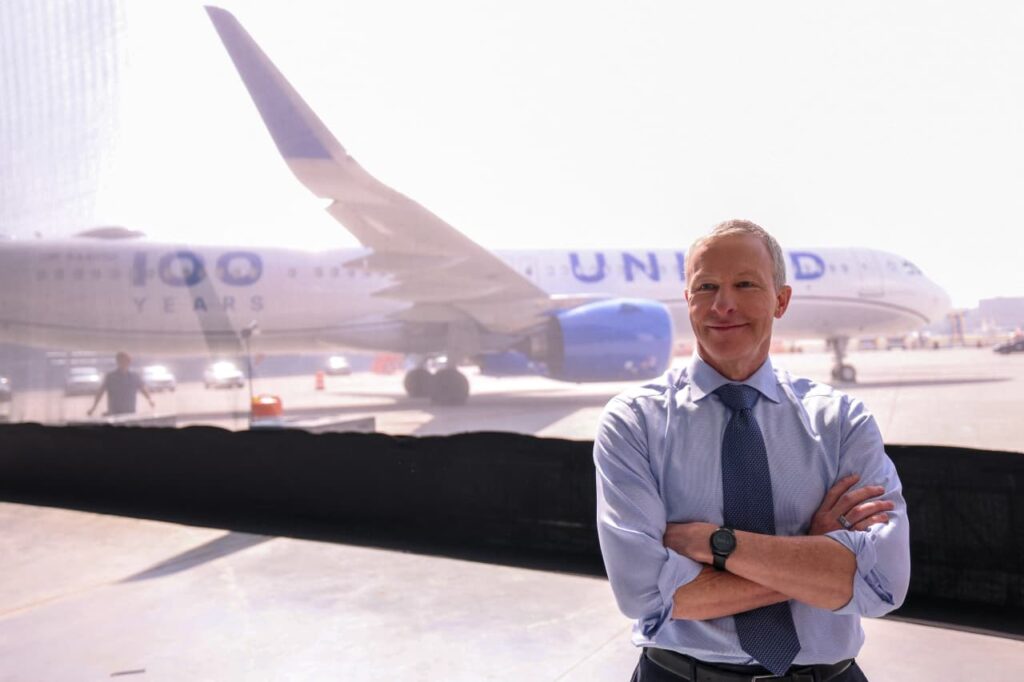
The highly competitive landscape of the U.S. airline industry could face an unprecedented shake-up, according to recent reports suggesting a bold move by United Airlines. It is understood that United has approached senior government officials to explore the possibility of securing permission for a monumental merger with rival carrier American Airlines. Such a combination would represent a seismic shift, potentially placing control of an estimated one-third of the entire market into the hands of a single, dominant airline.
The Scale of a Potential Aviation Megamerger
The mere contemplation of a United-American Airlines merger immediately raises significant questions about market dynamics and regulatory oversight. Both United Airlines and American Airlines are titans of the sky, each operating vast networks of domestic and international routes, commanding substantial fleets, and serving millions of passengers annually. Combining these two giants would not only create an unparalleled airline in terms of size and reach but would also drastically reduce the number of major players in an already concentrated market.
Antitrust Concerns and Consumer Impact
A potential United-American Airlines merger would undoubtedly face intense scrutiny from antitrust regulators. The prospect of one entity controlling such a significant portion of the air travel market – a reported one-third – immediately triggers concerns about reduced competition. Historically, regulators have been wary of mergers that could lead to diminished consumer choice, potentially higher fares, and fewer incentives for service innovation. Government officials would need to carefully weigh the benefits, if any, against the substantial risks of market monopolization.
Repercussions Across the Airline Industry
Beyond the immediate impact on United and American, such a mega-merger would send ripple effects throughout the global aviation sector. Other major carriers would be forced to re-evaluate their strategies, alliances could shift, and even smaller regional airlines might find their operational landscape significantly altered. The concentration of power resulting from a hypothetical United-American Airlines merger would reshape route networks, flight schedules, and pricing strategies for years to come, fundamentally altering the way Americans fly.
What Happens Next?
While reports of United Airlines' exploratory outreach remain largely speculative, they underscore the continuous strategic maneuvering within the fiercely competitive airline industry. Any formal proposal for a United-American Airlines merger would initiate a lengthy and complex process involving extensive government review, public hearings, and fierce lobbying. The outcome would not only dictate the future of two iconic airlines but also redefine the balance of power in air travel for passengers and competitors alike.
Fonte: https://www.marketwatch.com