
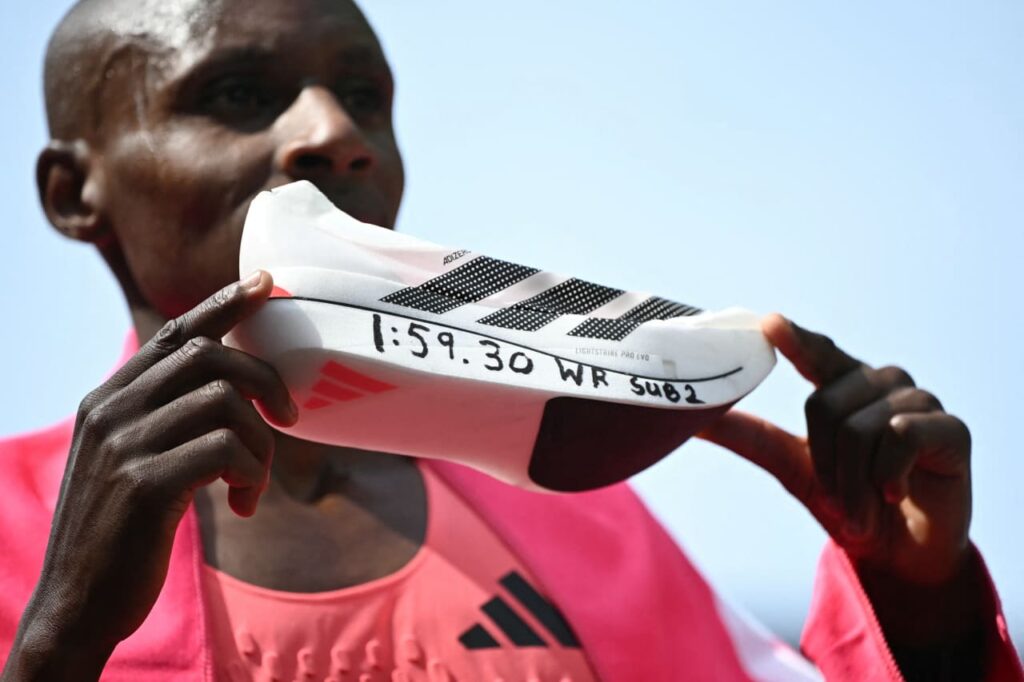
The world of elite marathon running witnessed a monumental breakthrough when an athlete shattered the long-standing two-hour barrier in a competitive race. This incredible feat not only redefined human endurance but also put a spotlight on the cutting-edge technology aiding such performances. At the heart of this historic moment were the running shoes worn by the victor, a pair of highly specialized sneakers from Adidas, cementing the brand's place in athletic lore. However, despite this unparalleled triumph, aspiring runners eager to emulate the champion by acquiring the exact same footwear face an unexpected hurdle: these record-setting shoes are not readily available for public purchase.
Breaking the Sub-2-Hour Barrier: A New Era in Endurance
For decades, the sub-2-hour marathon was considered the ultimate frontier in long-distance running, a seemingly insurmountable challenge that captivated athletes, scientists, and fans alike. Its conquest in a competitive setting marked a pivotal moment, proving that with the right combination of training, nutrition, course conditions, and equipment, the seemingly impossible could indeed be achieved. This accomplishment is a testament to the relentless pursuit of human limits and the continuous evolution of sports science, pushing the boundaries of what was once thought physically possible.
The Role of Advanced Running Shoe Technology
Modern running shoes have become integral to elite performance, moving far beyond simple cushioning to incorporate complex engineering designed to enhance speed and efficiency. The footwear used in the sub-2-hour marathon achievement likely featured innovations such as ultra-lightweight materials, optimized energy return foams, and strategically placed carbon fiber plates. These elements work in concert to reduce fatigue, improve propulsion, and maximize biomechanical efficiency, offering a tangible advantage that can shave crucial seconds off a runner's time over 26.2 miles.
Adidas's Moment in the Spotlight: Brand Prestige vs. Consumer Access
For Adidas, being the brand on the feet of the first sub-2-hour marathon winner in a competitive race is an invaluable endorsement. It's a powerful statement about their commitment to innovation and their capability to produce world-class athletic gear. This kind of high-profile success typically translates into immense consumer demand for the exact product used by the champion, as runners often seek to gain any perceived edge, however small, by wearing the same equipment as their heroes.
The Elusive Nature of Elite Performance Gear
Despite the immense marketing potential, the specific Adidas sneakers that carried the athlete to this historic sub-2-hour marathon finish are reportedly not available for mass market purchase. This creates a fascinating dilemma for the brand. While the scarcity could amplify the shoe's legendary status, it also represents a significant missed opportunity to capitalize on immediate consumer excitement and convert it into widespread sales. Runners looking to purchase the exact model worn by the record-breaker may find themselves unable to, fostering a sense of aspiration that remains unfulfilled by accessible retail options.
A Missed Opportunity or Strategic Exclusivity?
The decision to keep such a groundbreaking product out of reach for the general public raises questions about brand strategy. It could be due to extremely limited production capacity for highly specialized, hand-built prototypes, or perhaps a deliberate choice to maintain an aura of exclusivity around their most advanced racing technology. While the historic achievement undoubtedly elevates Adidas's brand image, the inability of everyday runners to purchase the exact sub-2-hour marathon winning shoes means a direct pipeline from elite performance to consumer sales remains untapped. This paradox highlights the complex interplay between athletic innovation, marketing strategy, and consumer demand in the competitive world of sports apparel.
Fonte: https://www.marketwatch.com