
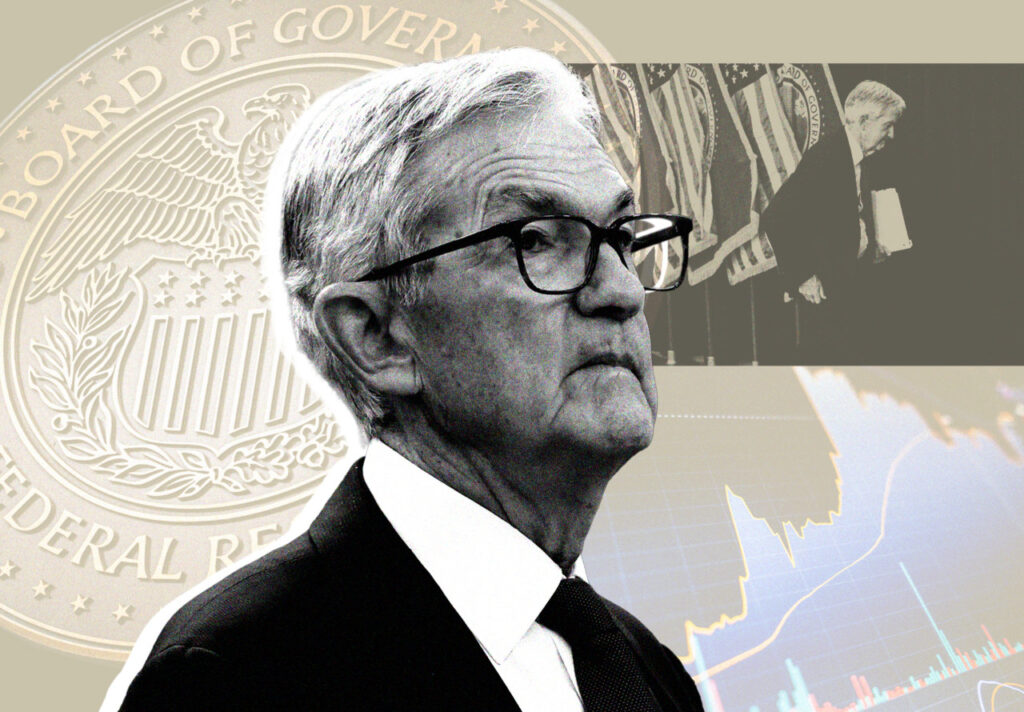
Jerome Powell's tenure as Chair of the Federal Reserve is poised to be defined by two monumental struggles: the persistent fight against soaring inflation and the unwavering commitment to preserving the central bank's political independence. As he navigates these turbulent waters, the ultimate outcome of these battles will indelibly shape his legacy, influencing how future generations view his leadership during one of the most volatile economic periods in modern history. The stakes are immense, not just for his personal reputation, but for the stability and credibility of the U.S. economy and its most powerful financial institution.
The Relentless War Against Inflation
Upon his reappointment, Powell inherited an economy grappling with inflation levels not seen in decades. Fueled by pandemic-era stimulus, supply chain disruptions, and robust consumer demand, price increases became a pervasive concern, eroding purchasing power and threatening economic stability. Under Powell's leadership, the Federal Reserve embarked on an aggressive campaign of interest rate hikes, marking the fastest tightening cycle in over 40 years. This decisive, albeit controversial, approach aimed to cool the economy and bring inflation back to the Fed's target of 2%. The effectiveness and eventual success of this strategy in achieving a soft landing — curbing inflation without triggering a severe recession — will be a critical determinant of Powell's economic stewardship.
The path has been fraught with challenges, balancing the need to act forcefully against inflation with the risk of stifling economic growth and increasing unemployment. Every decision, from the magnitude of rate increases to forward guidance on future policy, has been met with intense scrutiny from financial markets, policymakers, and the general public. Powell's ability to steer the economy through these perilous inflationary pressures, demonstrating both resolve and adaptability, stands as a central pillar of his defining years at the helm.
Safeguarding Federal Reserve Independence
Beyond the economic indicators, Powell has been a staunch defender of the Federal Reserve's operational independence, a principle widely considered vital for effective monetary policy. This independence ensures that decisions about interest rates and money supply are based on economic data and long-term stability, free from short-term political pressures. However, this autonomy has faced significant challenges, particularly from executive branch criticisms and public calls for the Fed to align its policies with specific political agendas.
Powell's leadership has been tested repeatedly in maintaining the institution's non-partisan stance, especially during periods of intense political polarization. His steadfast refusal to be swayed by external demands, instead adhering to the Fed's dual mandate of maximum employment and price stability, underscores a commitment to the foundational principles of central banking. The success of this battle will determine not just the integrity of the Federal Reserve under his watch, but also its capacity to serve as an objective anchor for the U.S. economy in the future. A strong, independent Fed is seen as crucial for investor confidence and the global standing of the dollar, making Powell's efforts here profoundly significant.
A Legacy Under Construction
As Jerome Powell continues his tenure, his legacy remains firmly in flux, contingent upon the ultimate resolution of these two profound challenges. Whether he successfully tames inflation without inducing a deep recession, and whether the Federal Reserve emerges from this era with its independence firmly intact, will be the metrics by which his time as chair is ultimately judged. His actions today are not merely policy decisions; they are brushstrokes on the canvas of history, shaping the economic landscape and the very nature of central bank governance for years to come. The world watches closely as Powell strives to secure a legacy defined by stability and principled leadership.
Fonte: https://www.marketwatch.com