
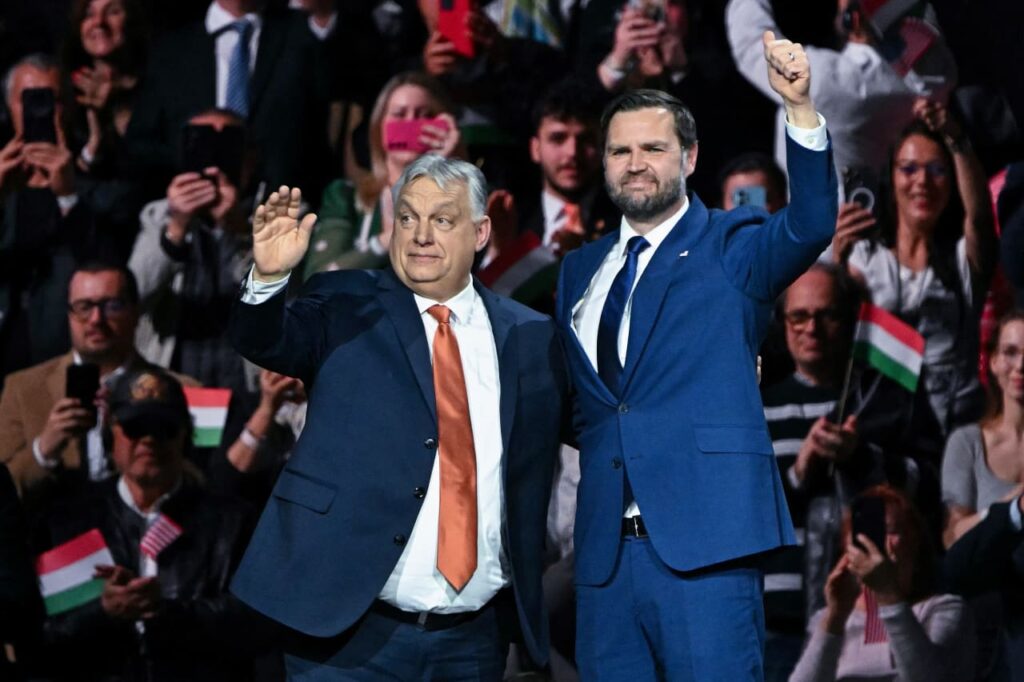
In an era often characterized by the ebb and flow of political tides, recent electoral outcomes in certain nations have led some to declare a decline in populist movements. Yet, a prominent strategist offers a counter-narrative, suggesting that such defeats might merely be isolated skirmishes in a larger, ongoing conflict. This perspective posits that despite individual setbacks, the fundamental undercurrents favoring populism are strengthening, poised to reshape the global landscape into a new regime defined by deglobalization, expanded state power, and entrenched inflation. The catalyst, according to this analysis, could well be significant geopolitical instability, such as a hypothetical conflict in the Middle East.
Beyond Electoral Losses: The Resilience of Populist Ideals
The defeat of a high-profile populist leader, like Viktor Orban in Hungary, might seem to signal a waning of the populist wave that has swept across continents. However, this strategist argues that focusing solely on electoral outcomes overlooks deeper systemic shifts. Populism, at its core, taps into anxieties about globalism, national sovereignty, and economic disparity. While a particular leader or party may falter, the grievances and desires that fuel populist sentiment—for stronger borders, national self-interest, and a perceived return to traditional values—continue to resonate strongly within populations worldwide. These sentiments are not easily extinguished by a single election result; they are symptoms of profound structural changes.
The Retreat from Globalism: Deglobalization Takes Hold
One of the central tenets of this emerging global order is the accelerating trend of deglobalization. Decades of increasing economic interdependence, open borders, and intricate supply chains are beginning to unravel. Nations are increasingly prioritizing domestic production, local supply chains, and protectionist economic policies over the efficiencies of global trade. This shift is driven by a confluence of factors: the fragility exposed by recent pandemics, geopolitical rivalries, and a growing desire for national self-sufficiency in critical sectors. The strategist contends that this move away from hyper-globalization is not a temporary blip but a fundamental reorientation of economic philosophy, giving rise to more localized and nationally focused economies.
Rising State Power and Economic Nationalism
Hand-in-hand with deglobalization is the expansion of state power. As countries pull back from global markets, governments are assuming a more significant role in economic planning, industrial policy, and social welfare. This entails increased regulation, strategic investments in domestic industries, and greater control over national resources. Economic nationalism, a core component of populist ideology, finds fertile ground in this environment, as states prioritize the interests of their own citizens and industries above international cooperation. This expanded state footprint is designed to mitigate external vulnerabilities, secure national interests, and foster a sense of internal cohesion, often at the expense of traditional liberal economic principles.
The Unyielding Pressure of Stubborn Inflation
The retreat from globalized efficiency, coupled with increased state intervention, is projected to usher in an era of persistent and stubborn inflation. The cost advantages derived from cheap global labor and highly optimized international supply chains are diminishing. As production reshores to higher-cost domestic markets, and as governments inject more capital into national economies, inflationary pressures are likely to become a structural feature rather than a transient phenomenon. This strategist argues that central banks and policymakers will face unprecedented challenges in managing this new inflationary environment, which could erode purchasing power and exacerbate social tensions, further fueling populist appeals for stronger governmental action.
Geopolitical Catalysts: The Iran War Scenario
While these trends are already underway, a major geopolitical event could serve as a powerful accelerant, cementing this new global regime. The strategist specifically points to the potential for a conflict involving Iran as such a catalyst. A war in a strategically vital region like the Middle East would inevitably trigger massive disruptions in global energy markets, trade routes, and supply chains, forcing nations to double down on self-reliance and state control. Such a conflict would dramatically intensify national security concerns, justifying further state expansion and resource hoarding, thereby locking in the trends of deglobalization and persistent inflation for the foreseeable future. The resulting instability would likely solidify public demand for strong, decisive leadership, often aligning with populist promises of national protection and sovereignty.
Navigating the New Global Order
In conclusion, while the defeat of a populist leader may offer a momentary glimmer of hope for a return to pre-populist norms, this strategist's analysis suggests a more complex reality. The underlying currents of deglobalization, expanding state power, and stubborn inflation are not merely temporary fluctuations but fundamental shifts shaping a new global regime. Geopolitical shocks, exemplified by a hypothetical Iran war, could act as powerful catalysts, cementing these transformations and solidifying the environment in which populist ideologies continue to thrive. Understanding this evolving landscape is crucial for policymakers, businesses, and citizens alike, as they navigate an increasingly nationalistic and less interconnected world with persistent economic pressures.
Fonte: https://www.marketwatch.com