
Late Thursday witnessed a distinct split in market reactions as global events and domestic legal rulings sent divergent signals across financial instruments. **Oil futures** experienced a notable surge, propelled by heightened tensions in the strategically vital Persian Gulf following an exchange of fire involving U.S. and Iranian forces. Concurrently, stock-index futures remained largely static, appearing unfazed by a federal court's decision to strike down a significant backup tariff plan proposed by the then-President.
Geopolitical Tensions Ignite Oil Futures
The upward trajectory of **oil futures** was directly linked to reports of military engagement between U.S. and Iranian entities in the Persian Gulf. This critical waterway is a major transit point for global crude oil shipments, and any escalation of conflict in the region invariably triggers deep-seated anxieties about potential supply disruptions. Market participants reacted swiftly, pricing in a 'risk premium' that reflects the possibility of curtailed output or challenges to shipping lanes. Such volatile skirmishes underscore the fragile balance of energy security, demonstrating how rapidly geopolitical developments can send ripples through global commodity markets, particularly for crude oil.
The Critical Role of the Persian Gulf in Energy Markets
The Persian Gulf's indispensable role in the world's energy supply cannot be overstated. A substantial volume of the world's crude oil passes through its waterways, making the region exceptionally sensitive to military or political instability. An exchange of fire, even if initially localized, serves as a potent reminder to traders and investors of the potential for broader regional conflict, which would inevitably impact the consistent flow and pricing of oil. This inherent vulnerability ensures that **oil futures** remain highly susceptible to any shifts in the geopolitical landscape of the Middle East, reflecting both immediate and perceived long-term supply risks.
Legal Setback for Tariffs Calms Stock Market
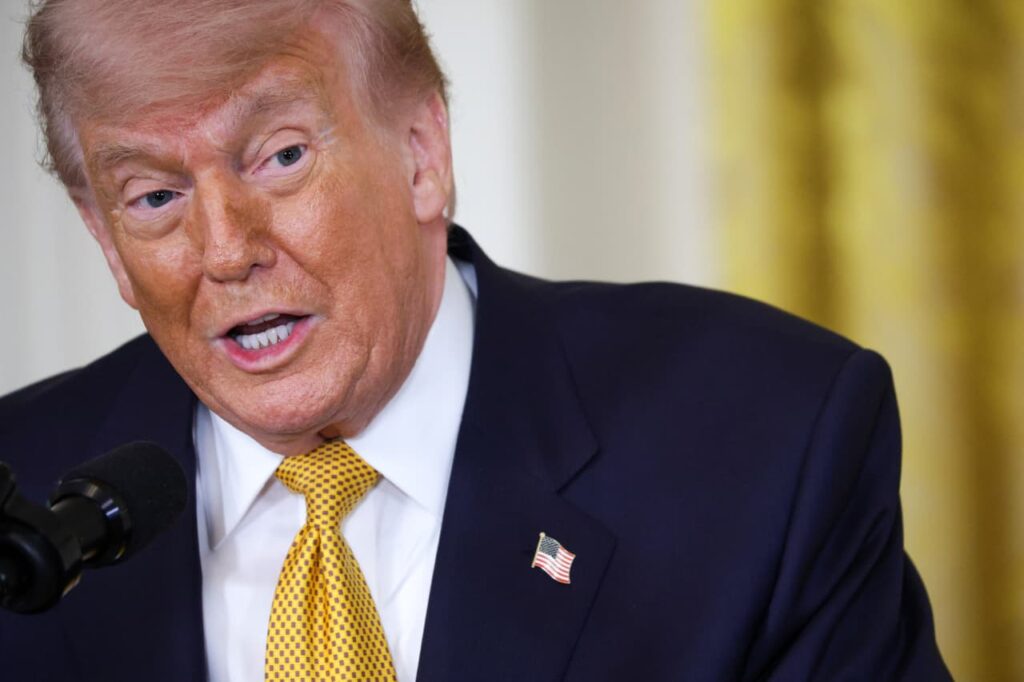
In stark contrast to the rallying **oil futures**, stock-index futures demonstrated remarkable stability, suggesting a market that absorbed significant news without panic. This tranquility was primarily attributable to a federal court's decision to reject a backup tariff plan initiated by President Donald Trump's administration. The ruling effectively removed a layer of uncertainty that had been hanging over international trade policy. Investors typically react negatively to the prospect of new tariffs, given their potential to disrupt global supply chains, increase operational costs for businesses, and potentially dampen corporate profits. By nullifying this specific tariff proposal, the court's action likely alleviated fears of further trade escalations, contributing significantly to the quiet market close for equities.
Implications for Trade Policy and Investor Confidence
The federal court's intervention provided a crucial measure of regulatory certainty, an attribute the stock market frequently seeks. While ongoing trade disputes inherently create an environment of volatility, the removal of a specific, potentially disruptive tariff measure can serve to reassure investors. It signals a clearer, less confrontational path forward, at least concerning that particular aspect of trade policy. This contributed to the absence of dramatic movements in stock-index futures, as market participants could discount one potential source of economic friction, allowing broader economic fundamentals to maintain their influence without additional trade-related headwinds.
A Day of Divergent Market Responses
Thursday's market activity offered a compelling illustration of how different asset classes respond to distinct catalysts. While the specter of Middle East conflict fueled a climb in **oil futures**, underscoring the commodity's profound sensitivity to supply-side risks, the equity market demonstrated resilience and composure. The decisive court ruling on tariffs, by mitigating a domestic policy threat, allowed stock futures to avoid significant turbulence. This highlights the complex interplay of international relations, domestic legal frameworks, and their immediate, yet often divergent, impacts on global financial markets, profoundly shaping investor behavior at the close of trading.
Fonte: https://www.marketwatch.com