
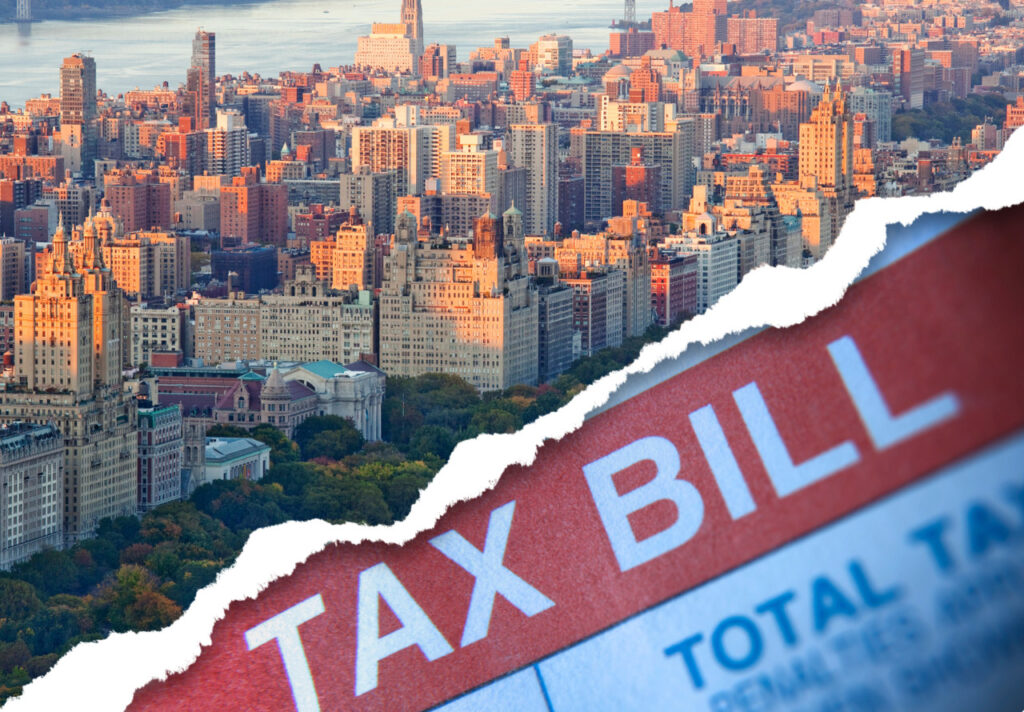
New York City is contemplating a significant fiscal maneuver, as a proposed **second-home tax** on high-value properties aims to inject an ambitious $500 million into the city's coffers. Spearheaded by Mayor Mamdani, this initiative targets luxury units, seeking to leverage the city's affluent real estate market to fund critical public services and address systemic inequalities. However, this progressive policy arrives with an inherent risk: the possibility that its most coveted taxpayers might choose to relocate, potentially sparking an exodus to states with more favorable tax climates, such as Florida.
The Mayor's Ambitious Revenue Plan
The heart of this proposal lies in generating substantial new revenue without increasing the burden on average New Yorkers. The mayor's administration positions the **New York City luxury units tax** as an equitable measure, arguing that those with considerable wealth and multiple properties within the five boroughs should contribute a larger share to the city's collective well-being. Proponents suggest the funds could support essential infrastructure projects, bolster educational programs, or expand affordable housing initiatives, aligning with a broader vision of shared prosperity.
Defining 'Luxury' and the Revenue Target
While specific details of what constitutes a 'luxury unit' are still under discussion, the tax is expected to apply to properties exceeding a significant valuation threshold, primarily targeting high-end condominiums and co-ops used as secondary residences. The $500 million target underscores the administration's belief in the immense wealth concentrated within the city's real estate market, hoping to tap into this segment to fill budgetary gaps and invest in future growth. This **second-home tax** is designed to be a direct levy on the city's most expensive non-primary residences.
The High-Stakes Gamble: Economic Repercussions
Despite its noble intentions, the proposed **New York City luxury units tax** is a substantial gamble. The central question remains whether the ultra-wealthy will absorb the additional cost or, conversely, view it as a compelling reason to seek residency elsewhere. Economists and real estate experts are closely watching, debating the potential elasticity of this demographic and how sensitive their residency choices are to increased taxation.
The Specter of Wealth Migration
One of the most significant concerns is the potential for an accelerated flight of wealthy individuals from New York City. States like Florida, with no state income tax and often lower property taxes, present an attractive alternative for those looking to minimize their tax burden. A mass exodus could not only negate the anticipated $500 million in revenue but also lead to a broader economic downturn for the city, as these high-net-worth individuals contribute significantly through other taxes (income, sales) and local spending. The intended revenue from the **second-home tax** could be dwarfed by other losses.
Impact on the Real Estate Market
Beyond direct tax revenue, the luxury real estate market itself could face substantial disruption. A new **New York City luxury units tax** could cool demand for high-end properties, potentially leading to price depreciation in the top tier of the market. Property owners might choose to sell off their secondary residences rather than incur the ongoing tax, potentially increasing inventory and further depressing prices. Such a shift could ripple through the broader economy, affecting construction, brokerage, and related service industries.
Lessons from Similar Tax Initiatives
Cities and states globally have experimented with similar wealth and property taxes, with varied outcomes. Some have successfully generated additional revenue, while others have witnessed capital flight and unintended negative consequences for their local economies. Understanding these precedents is crucial for New York City to avoid pitfalls, ensuring that the progressive goals of the **second-home tax** do not inadvertently undermine the city's long-term economic vitality.
Ultimately, Mayor Mamdani's bold **New York City luxury units tax** proposal represents a critical juncture for the metropolis. It embodies a progressive vision for shared prosperity but simultaneously confronts the complex realities of economic incentives and the mobility of wealth. Whether this ambitious plan will successfully bolster city services or inadvertently drive away its most valuable taxpayers remains a high-stakes question, with profound implications for the city's future fiscal health and its standing as a global economic hub.
Fonte: https://www.marketwatch.com