
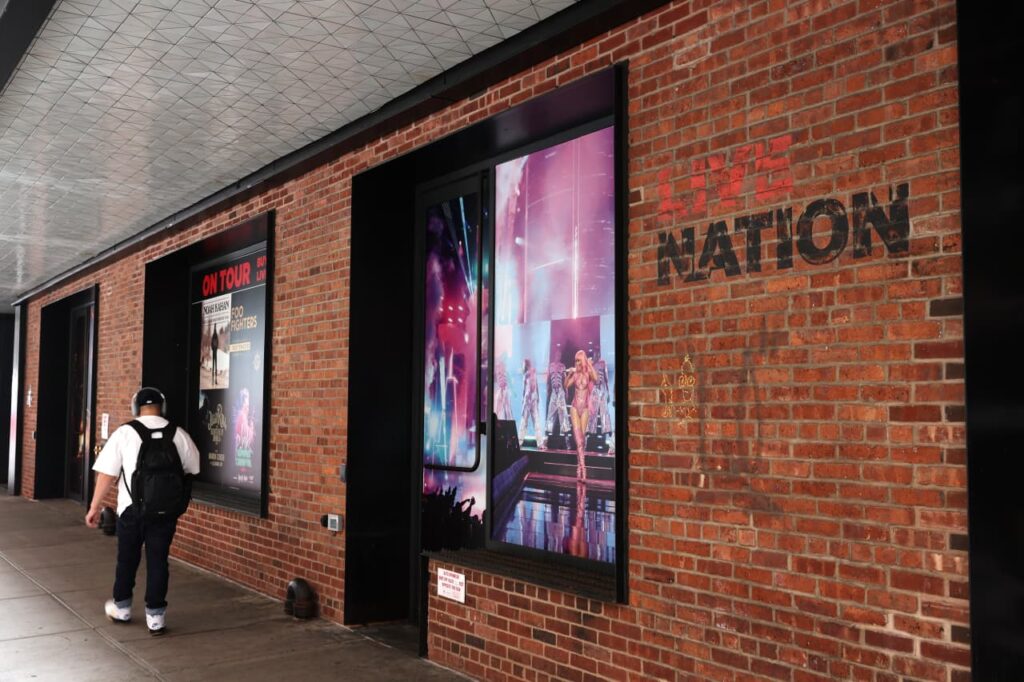
A recent jury finding has intensified scrutiny on Live Nation Entertainment, the behemoth behind a significant portion of the global live entertainment industry, declaring it an illegal monopoly. This verdict stems from growing concerns over the company's market dominance, particularly through its Ticketmaster subsidiary. While the ruling casts a long shadow over Live Nation's operational practices, industry analysts suggest that a dramatic breakup of the entertainment giant from Ticketmaster is an improbable outcome. Instead, the consensus leans towards the imposition of substantial damages and penalties, a forecast that seemingly resonated with investors, as Live Nation's shares saw an unexpected rebound after an initial dip.
The Monopoly Verdict and Its Broad Implications
The declaration of Live Nation as an illegal monopoly is a landmark moment, reflecting persistent grievances from artists, venues, and consumers regarding competition and pricing in the ticketing and live event sectors. This legal finding could potentially usher in a new era of regulatory oversight, forcing Live Nation to re-evaluate its business practices and market leverage. The core of the complaint often revolves around the company's integrated model, which combines event promotion, venue operation, and ticketing services, creating what critics argue is an insurmountable barrier for competitors.
Unpacking the 'Illegal Monopoly' Label
An 'illegal monopoly' designation implies that a single entity has acquired or maintained its dominant market position through anti-competitive means, stifling competition and potentially harming consumers. For Live Nation, this verdict could validate long-standing allegations that its integrated operations grant it undue power, leading to inflated ticket prices, limited choices for venues, and onerous terms for artists. While the specific details of the jury's reasoning are critical, the broad strokes point to a significant legal challenge to Live Nation's business model.
The Unlikely Split: Why Analysts Doubt a Breakup
Despite the severe implications of a monopoly verdict, many financial analysts remain skeptical about the likelihood of a forced separation between Live Nation and Ticketmaster. Such a breakup, known as divestiture, is a drastic measure typically reserved for cases where market intervention is deemed absolutely essential to restore competition. The complexity of unwinding such a deeply integrated enterprise, combined with the potential for protracted legal battles, often makes regulators hesitant to pursue this path. Instead, other forms of redress are frequently considered more practical and immediate.
Financial Penalties and Future Oversight
The more probable scenario, according to market watchers, involves substantial financial penalties and damages levied against Live Nation. These could include large fines, compensation to affected parties, and potentially structural remedies that fall short of a full breakup but aim to curb anti-competitive behavior. Furthermore, increased regulatory scrutiny and stricter compliance requirements could be imposed, forcing Live Nation to operate with greater transparency and fairness in its dealings with artists, venues, and ticket buyers. These measures, while significant, would allow Live Nation to maintain its core business structure while addressing the concerns raised by the monopoly finding.
Market Reaction and Investor Outlook
Interestingly, Live Nation's stock performance reflected a nuanced interpretation of the news. After an initial dip following the jury's decision, shares of the concert-ticketing giant experienced a notable rebound. This resurgence suggests that investors might be pricing in the analyst predictions of penalties rather than a full breakup. The market's reaction indicates a belief that while the legal challenges are significant, Live Nation's fundamental business model and revenue streams are likely to remain intact, albeit with potentially higher operating costs due to fines and increased regulatory compliance. The long-term impact will depend on the severity of the penalties and Live Nation's ability to adapt its operations under enhanced scrutiny.
The jury's finding against Live Nation marks a pivotal moment in the ongoing debate over market concentration in the entertainment industry. While the 'illegal monopoly' label is a serious blow, the path forward appears to favor significant financial and regulatory consequences over a structural dissolution of the Live Nation-Ticketmaster pairing. As the legal process unfolds, all eyes will be on the specifics of the damages and the extent of the operational changes Live Nation will be compelled to implement, shaping the future landscape of live events for years to come.
Fonte: https://www.marketwatch.com