
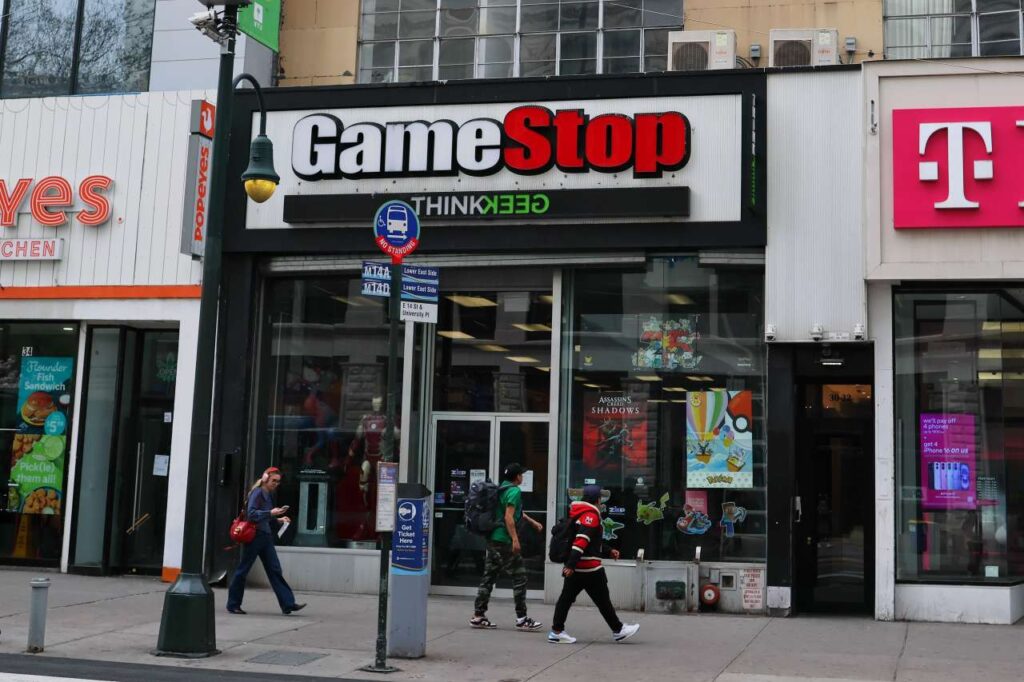
In a surprising turn of events that has sent ripples through the retail and e-commerce sectors, reports suggest that GameStop, the embattled video game retailer, is exploring the possibility of acquiring eBay. This potential move, if it materializes, represents a bold and perhaps desperate strategic pivot for GameStop, a company that has grappled with declining relevance in an increasingly digital world. The rumored interest in eBay underscores GameStop's urgent need to adapt to modern consumer preferences, a challenge where eBay has arguably demonstrated greater success.
GameStop's Uphill Battle for Survival
For years, GameStop has been a poster child for traditional brick-and-mortar retail struggling against the tide of digital transformation. The shift towards digital game downloads, subscription services, and direct-to-consumer sales from publishers has severely eroded its core business model. With physical media becoming increasingly obsolete and foot traffic declining in its once bustling stores, GameStop has been in a desperate search for a sustainable path forward. Various attempts at transformation, including ventures into collectibles and pre-owned electronics, have yielded limited success in stemming the revenue decline.
A Fading Retail Model in a Digital Age
The company's dependence on physical retail locations and the sale of new and used games has left it vulnerable. While GameStop still commands a loyal customer base, particularly for physical merchandise and console releases, its operational model is increasingly out of sync with how modern consumers interact with the gaming industry. The question of how GameStop can not only survive but thrive in an environment dominated by digital distribution has been a persistent one for investors and industry analysts alike.
The Allure of eBay's E-commerce Prowess
In stark contrast to GameStop's struggles, eBay has evolved into a resilient and adaptable e-commerce giant. While it has faced its own competitive pressures, eBay successfully transitioned from its auction-house origins to a diversified global marketplace, embracing a wide array of products, from electronics and fashion to collectibles and vehicle parts. Its established infrastructure, vast user base, and experience in facilitating countless transactions make it a potent force in the online retail space. This robust digital presence and proven ability to facilitate commerce on a massive scale could be precisely what GameStop believes it needs.
A Marketplace Model Built for Modern Consumers
eBay's success lies in its flexible marketplace model, which empowers individuals and small businesses to connect with buyers globally. This contrasts sharply with GameStop's traditional inventory-based retail. An acquisition could potentially provide GameStop with immediate access to a sophisticated e-commerce platform, a global logistics network, and a diversified revenue stream that extends far beyond the cyclical nature of game releases. It represents a fast-track entry into the digital marketplace that GameStop has conspicuously lacked.
Potential Synergies and Stiff Challenges
The strategic rationale behind a GameStop acquisition of eBay would likely center on leveraging eBay's digital infrastructure to rapidly transform GameStop's business. Imagine GameStop pivoting to become a premier marketplace for gaming collectibles, used games, hardware, and even digital codes, all powered by eBay's platform. This could also expand GameStop's reach into broader consumer electronics re-commerce. However, the financial and logistical hurdles are immense. eBay's market capitalization is significantly higher than GameStop's, making a direct acquisition a monumental undertaking requiring substantial financing or a complex stock-based deal.
Beyond the financial aspects, integrating two vastly different corporate cultures and operational models would be an enormous challenge. GameStop, known for its physical storefronts and niche gaming focus, would need to assimilate eBay's global, tech-centric e-commerce operations. Antitrust scrutiny, regulatory approvals, and the potential for stakeholder resistance from both companies would also add layers of complexity to any such transaction. The success of such a merger would hinge on a clear vision, seamless execution, and the ability to unlock genuine value from the combined entities without alienating their respective user bases.
A High-Stakes Bet on Future Relevance
The rumors surrounding a GameStop acquisition of eBay paint a vivid picture of a company acutely aware of its precarious position and willing to consider radical measures for survival. It reflects a broader trend in retail where traditional players must either innovate aggressively or face obsolescence. For GameStop, an acquisition of this magnitude would be less about enhancing its current business and more about completely reinventing itself. Whether such a monumental gamble could truly revitalize the gaming retailer or simply add a new layer of complexity remains to be seen, but it certainly signals GameStop's intent to fight for its future relevance in the digital economy.
Fonte: https://www.marketwatch.com