
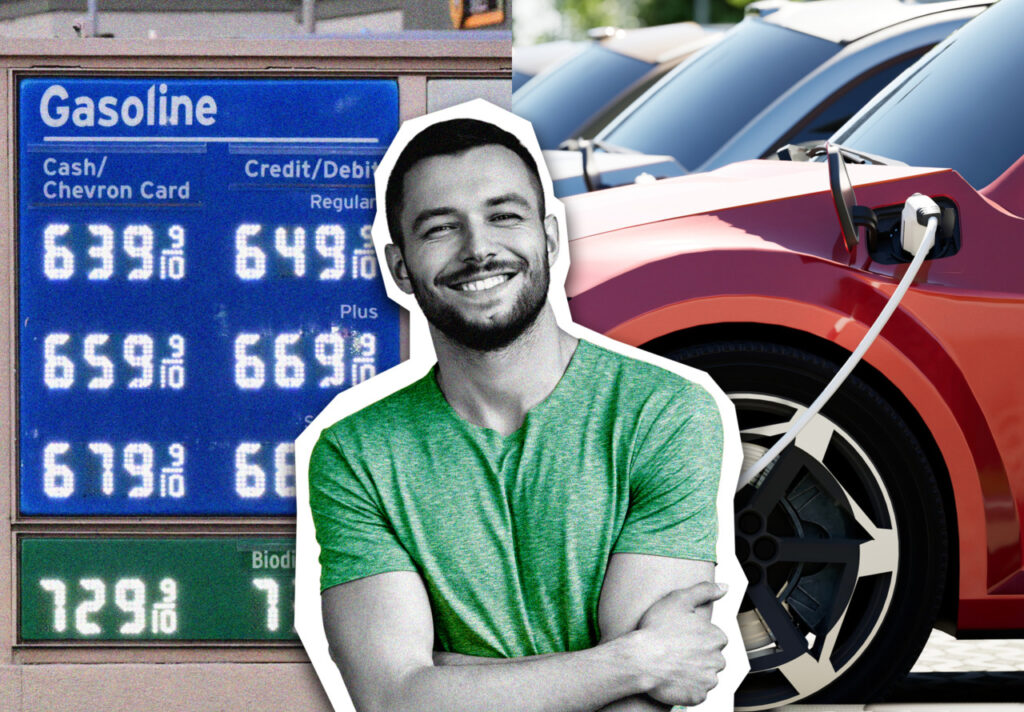
As global geopolitical tensions, notably the conflict in Iran, continue to ripple through international markets, oil supplies have tightened, sending gasoline prices skyward. For millions of motorists relying on traditional internal combustion engines, each trip to the pump brings a fresh wave of financial anxiety. Yet, amidst this widespread concern, a distinct group of drivers finds itself in an enviable position: those behind the wheel of electric vehicles (EVs). These EV drivers are not merely weathering the storm; they are, in essence, taking a celebratory 'victory lap' as they bypass increasingly expensive gas stations, highlighting a significant shift in personal transportation economics.
Navigating the Volatile Fuel Market
The dramatic surge in gasoline prices is a direct consequence of disrupted global oil supplies. The war in Iran, among other geopolitical uncertainties, has created a climate of instability in the energy sector, pushing crude oil benchmarks higher. This translates directly into higher costs at the pump, eroding household budgets and forcing many to reconsider their daily commutes and travel plans. For most consumers, the dependency on fossil fuels means being directly exposed to these unpredictable global fluctuations, turning routine errands into costly endeavors.
The Electric Advantage: Beyond the Pump
In stark contrast, EV drivers are experiencing a unique sense of relief. Their vehicles, powered by electricity rather than volatile fossil fuels, are largely insulated from the immediate impact of rising oil prices. This economic buffer is proving to be a compelling argument for the accelerating adoption of electric vehicles, offering a tangible benefit that goes beyond environmental considerations. The immediate savings on fuel costs are not just theoretical; they are a daily reality for those who have made the switch.
Fueling Freedom: A Cost Comparison
The financial benefits for EV drivers are substantial. While electricity prices can fluctuate, they tend to be far more stable and significantly lower than the per-mile cost of gasoline, especially during periods of high crude oil prices. Charging an electric vehicle overnight at home, often during off-peak hours, can be remarkably inexpensive. Even utilizing public charging infrastructure, while potentially pricier than home charging, still often presents a more predictable and generally more affordable alternative to filling up a tank with $4-a-gallon, or even higher, fuel. This fundamental difference in energy sourcing offers a greater degree of 'fueling freedom' to electric vehicle owners.
A Broader Shift Towards Sustainable Transportation
The current energy crisis underscores a critical vulnerability inherent in relying on fossil fuels for transportation. It highlights the urgent need for greater energy independence and the acceleration of sustainable alternatives. The growing appeal of electric vehicles is not solely driven by immediate cost savings; it's also a reflection of increasing environmental awareness and a desire for cleaner, more resilient energy solutions. As global supply chains remain susceptible to geopolitical pressures, the move towards electric mobility gains momentum as a strategic imperative for individuals and nations alike.
The Future is Electric
The 'victory lap' taken by today's EV drivers is more than just a momentary triumph; it symbolizes a glimpse into the future of transportation. With continuous advancements in battery technology, expanding charging infrastructure, and an ever-widening selection of models, electric vehicles are becoming an increasingly practical and attractive option for mainstream consumers. The current high gasoline prices may be a temporary pain point for many, but for the electric vehicle community, it serves as powerful validation of their forward-thinking choice, cementing the notion that the road ahead is indeed electric.
Ultimately, the current landscape of surging gasoline prices and global energy instability serves as a stark reminder of the economic and environmental advantages of electric vehicles. While drivers of conventional cars grapple with escalating fuel costs, EV drivers are confidently moving forward, enjoying the financial relief and contributing to a more sustainable future. This moment of divergence clearly illustrates why the transition to electric mobility is not just a trend, but an essential evolution in how we power our world.
Fonte: https://www.marketwatch.com