
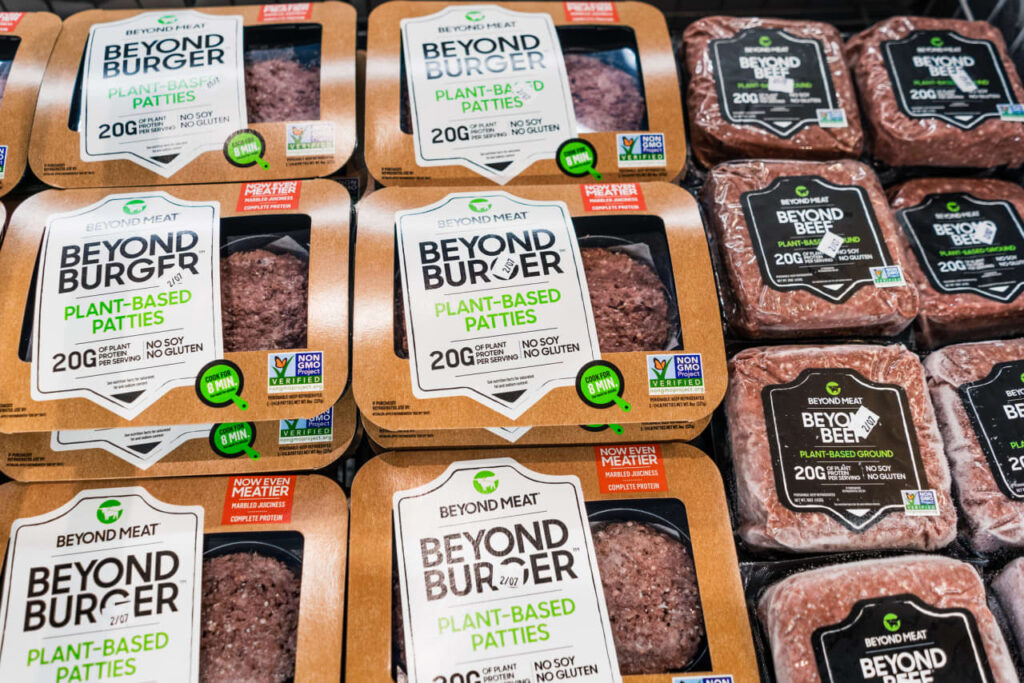
The pioneering plant-based meat company, Beyond Meat, recently faced another setback as its stock tumbled following a disappointing financial forecast. This latest downturn serves as a stark reminder of the significant hurdles confronting the burgeoning fake meat industry, particularly its ongoing struggle to achieve widespread acceptance and enthusiastic adoption within the crucial restaurant sector. While consumer interest in plant-based eating continues to grow, the path to mainstream culinary integration for alternatives like Beyond Meat remains complex and fraught with challenges.
Beyond Meat Navigates a Difficult Market
Beyond Meat's recent financial outlook painted a challenging picture, signaling lower-than-expected sales and profitability. This weak forecast has eroded investor confidence, leading to a notable drop in its stock value. The company, once a Wall Street darling symbolizing the future of food, is now grappling with a maturing market where initial hype is giving way to a more pragmatic assessment of growth potential and sustainability. These financial pressures underscore the intense competition and evolving consumer demands within the alternative protein space.
Strategic Pivot: Exploring New Protein Avenues
In response to these market headwinds, Beyond Meat has indicated a strategic shift, planning to expand its footprint into the increasingly crowded protein-drink market. This diversification move suggests a recognition that relying solely on its core plant-based meat products might not be sufficient to drive future growth. It represents an attempt to tap into different consumer segments and leverage its brand equity in the broader protein category, potentially mitigating some of the risks associated with its primary business line.
The Restaurant Industry's Hesitation with Fake Meat
Despite a strong initial push, many restaurants have proven reluctant to fully embrace fake meat products on their menus. This hesitation stems from a confluence of factors, including the perceived niche appeal compared to traditional meat, often higher ingredient costs, and the practicalities of kitchen operations. For many restaurateurs, the investment in menu redesign, staff training, and inventory management for plant-based meat alternatives does not always translate into a significant return, especially if customer demand isn't consistently high.
Operational Hurdles and Customer Perception
Beyond the bottom line, operational complexities present a notable barrier. Integrating plant-based meat into a busy kitchen requires careful consideration of preparation methods, cooking surfaces to avoid cross-contamination for vegan customers, and efficient storage solutions. Furthermore, customer perception plays a critical role; some diners remain skeptical of the taste and texture of plant-based meat, while others may view it as an expensive alternative without a compelling value proposition. Overcoming these entrenched beliefs and operational challenges is paramount for widespread restaurant adoption.
Charting the Future of Plant-Based Proteins
The trajectory of companies like Beyond Meat serves as a barometer for the entire plant-based protein industry. While the long-term trend towards more sustainable and health-conscious eating habits remains strong, the immediate future demands greater innovation, cost efficiencies, and a deeper understanding of both consumer and commercial kitchen needs. For fake meat to truly become a staple, it must not only satisfy the palate but also seamlessly integrate into the operational and economic realities of the food service landscape.
The current struggles highlight that while the vision for a plant-based future is compelling, the journey is intricate. Companies must continuously evolve their products, pricing strategies, and partnerships to overcome resistance and prove the enduring value of alternative proteins, not just as a novelty, but as an indispensable component of the modern diet and culinary scene.
Fonte: https://www.marketwatch.com