
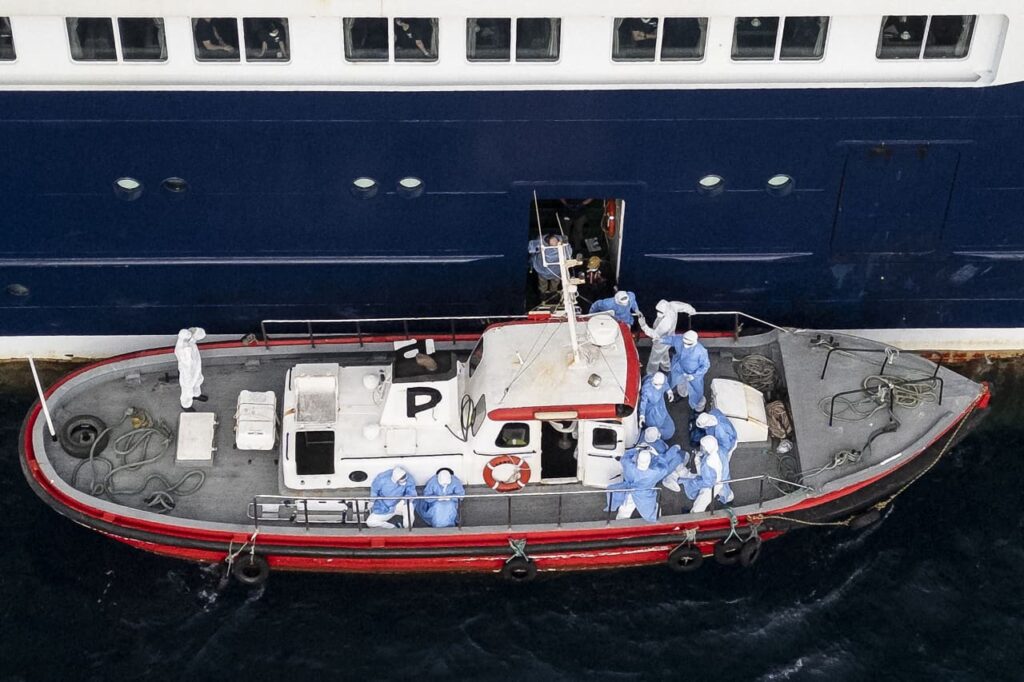
A recent incident aboard the MV Hondius cruise ship has drawn significant attention to a rare but highly significant public health concern: a confirmed case of the Andes strain of hantavirus. In late April, two individuals disembarked the vessel, one of whom later tested positive for this particular viral strain. While hantavirus outbreaks are infrequent, the presence of the Andes strain introduces a unique complexity, challenging public health authorities worldwide due to its distinct mode of transmission and the enclosed environment of international travel.
Unpacking the Incident Aboard the MV Hondius
The event unfolded following the MV Hondius's journey, culminating in the disembarkation of passengers in late April. Among them were two individuals whose health status subsequently became a focus of medical scrutiny. While both were initially monitored, tests confirmed that one passenger had contracted the Andes strain of hantavirus. This isolated yet potent case immediately activated public health protocols, initiating a swift response designed to contain potential spread and protect wider communities from this uncommon pathogen.
Understanding the Andes Strain of Hantavirus
Hantaviruses are a group of rodent-borne viruses that can cause severe, sometimes fatal, diseases in humans, such as Hantavirus Pulmonary Syndrome (HPS). Typically, humans contract hantavirus by inhaling aerosolized particles from rodent urine, droppings, or saliva. The Andes strain, however, endemic primarily to regions of South America, stands apart from most other hantaviruses due to a critical characteristic that significantly escalates its public health risk.
The Critical Distinction: Person-to-Person Transmission
Unlike other known hantaviruses, the Andes strain is unique in its documented ability to transmit directly from person to person. This feature transforms what would otherwise be a localized rodent-exposure risk into a far more complex epidemiological challenge, requiring intensive contact tracing and monitoring efforts. This human-to-human transmission capability is precisely what elevates the 'complicated public-health situation,' making vigilance and rapid response paramount, especially when cases emerge in contexts like international travel.
Public Health Implications and Response
The identification of an Andes hantavirus case on an international cruise ship necessitates a multi-layered and robust public health response. Authorities must swiftly identify and notify all potential contacts, including fellow passengers and crew members, who may have been exposed during the incubation period. The enclosed environment of a cruise ship, coupled with the global travel patterns of its occupants, amplifies the potential for wider geographic dissemination, although the overall risk remains low due to the extreme rarity of such events. Measures typically include isolation of suspected cases, active monitoring for symptoms like fever, muscle aches, and respiratory distress, and providing immediate medical care if symptoms develop. This proactive approach aims to prevent secondary cases and ensure rapid containment.
While outbreaks of hantavirus remain rare, the distinct threat posed by the Andes strain—its capacity for person-to-person spread—demands heightened awareness and robust public health infrastructure. This incident aboard the MV Hondius serves as a stark reminder of the persistent and evolving challenges presented by zoonotic diseases, particularly those with unique transmission pathways, underscoring the ongoing need for international collaboration and vigilant surveillance to swiftly address novel health threats and safeguard global public health.
Fonte: https://www.marketwatch.com