
While public attention often gravitates towards the dazzling applications and sophisticated algorithms that define the artificial intelligence landscape, the true engine driving Big Tech's ambitious AI build-out lies within a less glamorous, yet fundamentally critical, industrial backbone. The rapid advancements in AI, from generative models to autonomous agents, are not solely a triumph of software innovation; they are deeply reliant on a robust, energy-intensive, and constantly evolving physical infrastructure. This foundational layer, often out of the public spotlight, represents where an enormous volume of capital is being invested and where significant profits are being realized, ensuring the lights stay on for the AI systems of tomorrow.
The Unseen Pillars: Beyond the Algorithmic Frontier
The creation and deployment of cutting-edge AI require a staggering amount of computational power, data storage, and efficient energy management. This demand has sparked an unprecedented surge in investment across specific industrial sectors, transforming them into indispensable partners for the tech giants. These foundational industries are not just supporting the AI ecosystem; they are actively shaping its capabilities and limitations, making their contributions as vital as the algorithms themselves. Understanding these critical components reveals a deeper insight into the true economics and practicalities of the ongoing AI build-out.
The Semiconductor Superhighway: Fueling Computational Might
At the heart of every AI system are specialized processors designed to handle complex calculations at immense speeds. Graphics Processing Units (GPUs) and other AI accelerators have become the undisputed workhorses for training large language models and performing intricate inference tasks. Companies at the forefront of semiconductor manufacturing are experiencing unprecedented demand, positioning them as primary beneficiaries of the AI boom. Their innovation in chip architecture, manufacturing processes, and packaging technologies directly dictates the performance, efficiency, and scale at which AI can operate, making them an indispensable component of the global AI build-out.
The Energy Imperative: Powering and Cooling the Digital Brains
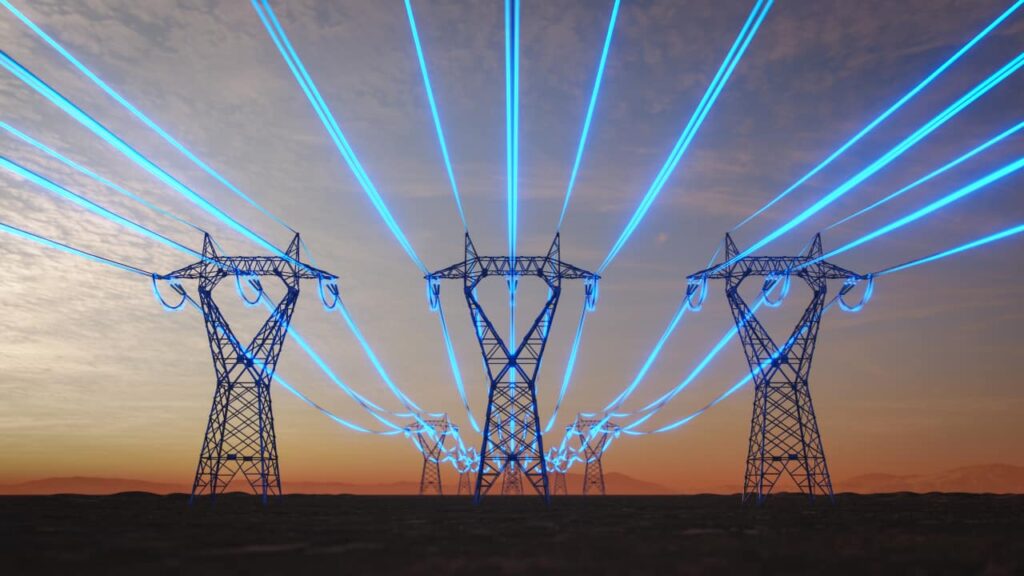
Operating AI infrastructure consumes vast amounts of electricity, akin to small cities. This massive energy demand creates a critical reliance on industries capable of providing not only reliable power but also advanced cooling solutions to prevent hardware overheating. Companies specializing in sustainable energy generation, sophisticated power distribution systems, and innovative thermal management technologies for hyperscale data centers are now pivotal. Their ability to deliver efficient, scalable, and environmentally conscious power and cooling is essential for maintaining operational continuity and managing the soaring costs associated with running AI models, truly keeping the lights on for this new era of computation.
Constructing the Digital Fortresses: Data Center Infrastructure
Beyond chips and power, the physical housing for AI systems – hyperscale data centers – represents another monumental industrial undertaking. The companies responsible for designing, building, and equipping these colossal facilities are experiencing a boom. This encompasses providers of specialized data center real estate, high-bandwidth networking equipment, fiber optic cables, servers, storage arrays, and robust physical security systems. These firms provide the crucial physical framework, ensuring that the computational power can be housed, connected, and maintained efficiently, forming the literal bedrock of the AI build-out and enabling the seamless flow of data that AI thrives upon.
A New Industrial Nexus: Where Profit Meets Foundation
The enormous capital expenditures by Big Tech companies are funneling directly into these industrial sectors, creating a new nexus of growth and profitability. The focus has shifted from solely developing novel algorithms to building out the robust, scalable, and sustainable infrastructure required to bring those algorithms to life. This sustained investment underscores a long-term commitment to AI that extends far beyond software cycles, cementing the strategic importance and lucrative prospects for these foundational industries.
The continued expansion of AI capabilities is inextricably linked to the ongoing innovations and operational excellence within these industrial segments. Their role in providing the essential computational horsepower, managing the prodigious energy demands, and constructing the physical environment makes them the unsung heroes of the AI era. As AI continues its rapid evolution, the symbiotic relationship between cutting-edge software and robust industrial infrastructure will only deepen, ensuring these foundational players remain central to the unfolding technological revolution.
Fonte: https://www.marketwatch.com