
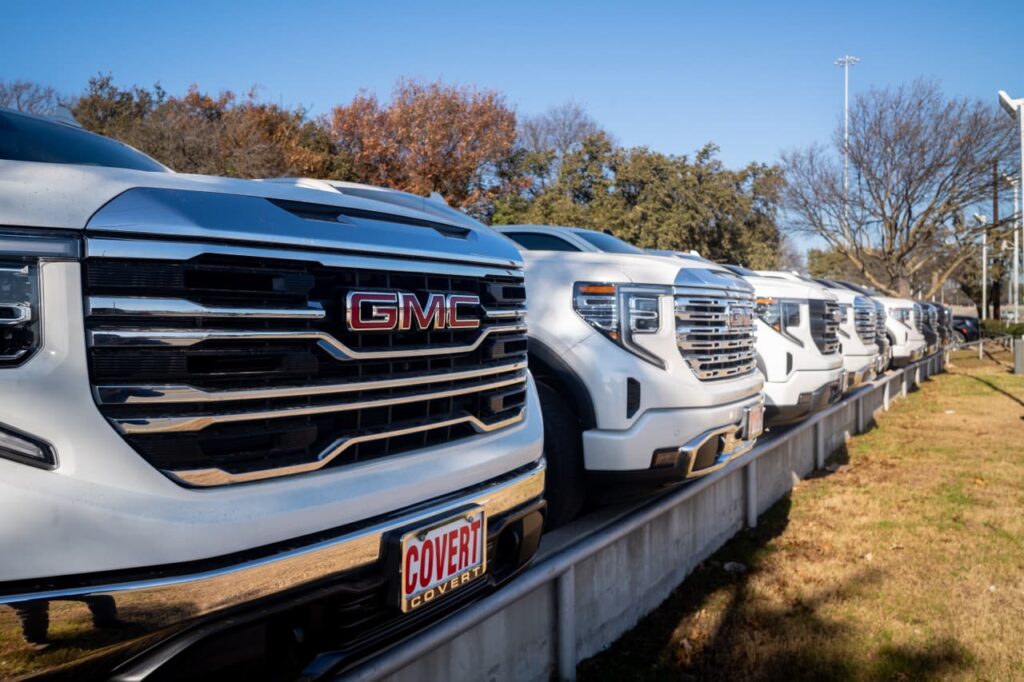
The automotive industry consistently navigates a complex interplay of consumer preferences, economic pressures, and global events. For giants like General Motors (GM), maintaining stability amidst fluctuating fuel prices is a perennial challenge. While consumers' car-buying habits typically evolve at a measured pace, a prolonged period of geopolitical instability and elevated gas prices could serve as a significant catalyst, potentially accelerating the widespread adoption of electric vehicles (EVs) far more rapidly than current trends suggest.
Consumer Behavior: A Gradual Shift Under Pressure
Decisions around purchasing a new vehicle are multifaceted, often driven by factors ranging from affordability and brand loyalty to practical needs like cargo space and fuel efficiency. Consequently, shifts in consumer behavior rarely happen overnight. Even during spikes in gas prices, many drivers initially absorb the increased cost, hoping for a swift return to lower levels. This inertia means that a temporary surge in fuel expenses might not immediately translate into a dramatic uptick in **EV demand** or a wholesale abandonment of gasoline-powered cars.
However, the landscape changes considerably when high gas prices become a sustained reality. Persistent financial strain at the pump compels consumers to re-evaluate their priorities, making the long-term savings associated with electric vehicles increasingly attractive. It's this endurance of economic pressure, rather than fleeting spikes, that truly sways the market towards alternative powertrains.
Geopolitical Ripples and Their Impact on Fuel Costs
Global events often cast long shadows over energy markets. A protracted conflict, such as one involving major oil-producing regions like the Middle East (e.g., the potential for a prolonged Iran conflict), can severely disrupt supply chains, escalate crude oil prices, and consequently push gas prices at the pump to unprecedented levels. Such scenarios create a domino effect, turning what might have been a temporary inconvenience into a severe economic burden for everyday drivers.
In an environment where filling up a conventional vehicle becomes exceptionally expensive and unpredictable, the economic rationale for switching to an EV becomes overwhelmingly compelling. This direct correlation between geopolitical instability, sustained high fuel costs, and accelerated **EV demand** is a critical consideration for automakers planning their future strategies.
GM's Strategic Position in the Evolving Market
General Motors has made significant investments in its electric vehicle future, notably through its Ultium battery platform and a growing portfolio of diverse EV models across its brands. This proactive stance positions the company to capitalize on potential shifts in consumer preferences. While GM may be weathering current gas price fluctuations relatively well, its long-term strategy anticipates a future where electric mobility plays a dominant role.
The readiness of manufacturers like GM to meet a sudden surge in **EV demand** could dictate market leadership in the coming decade. Should external factors, particularly prolonged periods of high fuel costs driven by global events, push more consumers toward electric options, companies with robust EV lineups and production capabilities will be best positioned to thrive. The current resilience of GM, therefore, is not merely about surviving today's market but about preparing for tomorrow's inevitable transformations.
Ultimately, while the initial impulse of consumers may be slow to change, sustained economic pressure from high gas prices, particularly those exacerbated by international conflicts, could rapidly tip the scales. For GM and the broader automotive industry, understanding and anticipating these complex interactions is key to navigating an ever-evolving landscape and ensuring a successful transition to an electric future.
Fonte: https://www.marketwatch.com