
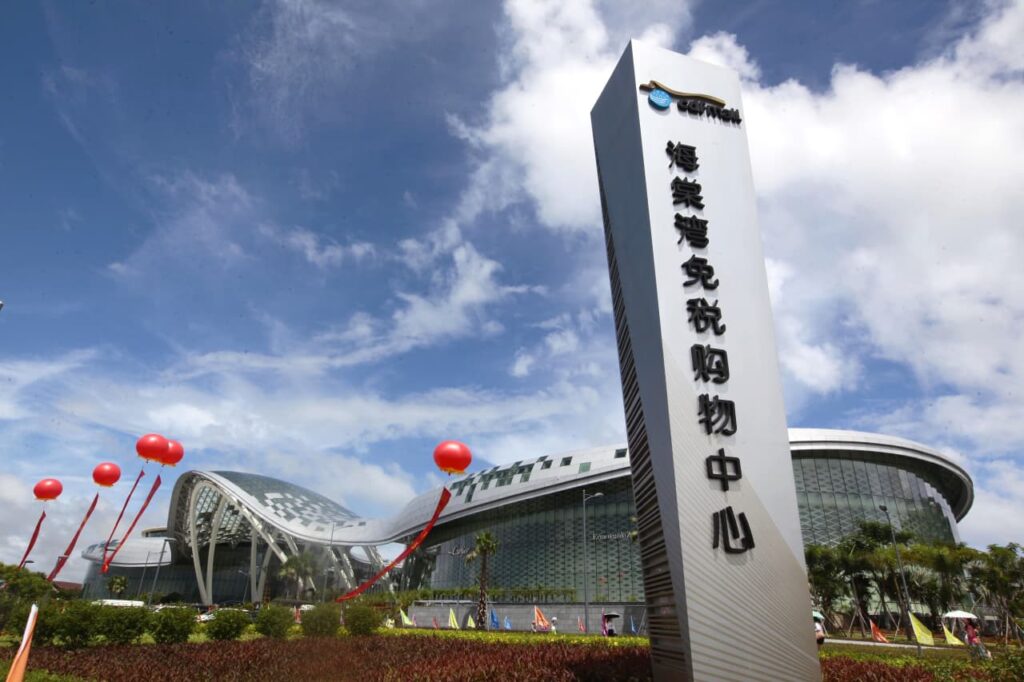
For years, China's island province of Hainan has enchanted visitors with its pristine tropical beaches, lush landscapes, and burgeoning status as a duty-free retail mecca. It has been a sun-drenched escape, a destination synonymous with relaxation and high-end shopping. Yet, despite its undeniable success in attracting tourists and luxury consumers, Beijing has signaled that Hainan's current achievements are merely a prelude to a far grander vision. The island now finds itself charting a new, ambitious course, tasked with transforming into a global economic powerhouse.
Hainan's Established Charm and Retail Prowess
Before its latest mandate, Hainan had already cemented its reputation as China's premier tropical resort. Its warm climate, clear waters, and vibrant culture made it a favored domestic getaway. More significantly, the island emerged as a powerhouse in the duty-free sector. Pioneering generous tax-exemption policies, Hainan rapidly cultivated a world-class shopping environment, drawing millions of eager consumers annually. Its sprawling duty-free complexes became critical economic drivers, injecting substantial revenue into the local economy and solidifying the island's image as a high-spending retail paradise.
Beijing's Elevated Vision: A New Economic Mandate
The central government in Beijing, however, perceives Hainan's potential extending far beyond its celebrated beaches and duty-free aisles. The new directive outlines an unprecedented transformation: to evolve the entire island into a high-level Free Trade Port (FTP) by 2035. This strategic pivot aims to position Hainan as a vital hub for international trade, investment, and innovation, reflecting China's commitment to deepening reforms and opening up its economy further to the global stage. This comprehensive mandate signals a profound shift, redefining Hainan's role from a regional attraction to an international economic gateway.
Pillars of the Free Trade Port Strategy
Achieving this ambitious FTP status is underpinned by a robust framework of preferential policies. Key among these are significant tax incentives, including reduced corporate income tax for eligible businesses and lower individual income tax rates for high-end talent working on the island. Furthermore, Hainan is implementing relaxed visa policies to facilitate the entry of international professionals and tourists, alongside streamlined customs procedures designed to foster an open, internationally competitive business environment. These measures are meticulously crafted to attract global enterprises, capital, and skilled labor, fueling the island's economic diversification and growth.
Diversifying Hainan's Economic Landscape
The Free Trade Port initiative is not merely about expanding traditional trade. It is a concerted effort to broaden Hainan's economic base beyond its historical reliance on tourism and duty-free shopping. The island is actively cultivating new strategic sectors, including high-tech industries, with a focus on aerospace and marine technology; international finance, positioning itself as an offshore financial center; and a burgeoning medical tourism sector, leveraging its natural environment and advanced healthcare facilities. Moreover, significant investments are being made in education and research, aiming to create a vibrant ecosystem that supports innovation and draws intellectual capital from across the globe. This multifaceted approach is designed to ensure Hainan's long-term prosperity and resilience as a diversified economic powerhouse.
Hainan's journey from a cherished tropical retreat and a shopping haven to a globally connected Free Trade Port represents one of China's most audacious economic experiments. This transformative vision signals a new era for the island, one where its strategic importance transcends its natural beauty and retail appeal. As Beijing pours resources and policy support into this grand endeavor, Hainan is poised to redefine its identity, evolving into a dynamic international nexus at the forefront of China's ongoing economic integration with the world.
Fonte: https://www.marketwatch.com