
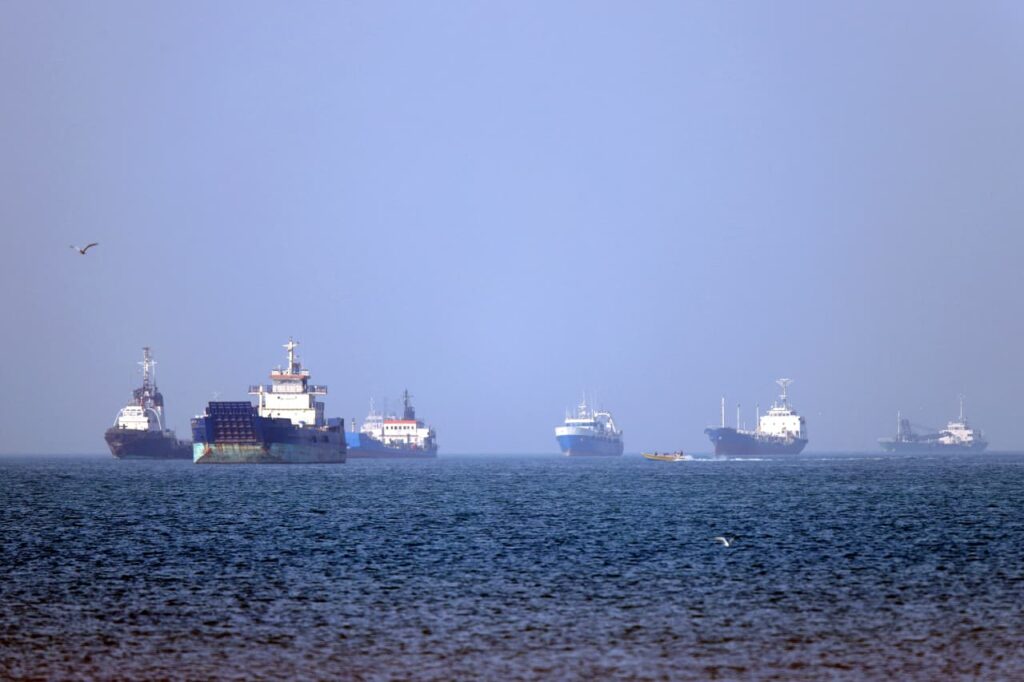
Global crude oil markets registered a notable decline in futures trading on Tuesday, reacting swiftly to an announcement from the White House. President Donald Trump declared a temporary halt to U.S. efforts aimed at partially reopening the critical Strait of Hormuz, a move he stated was intended to create more space for diplomatic negotiations to de-escalate hostilities with Iran. This pause underscores the ongoing volatility in energy markets, deeply sensitive to geopolitical developments in the Middle East, particularly concerning this vital maritime choke point.
Diplomatic Pause Impacts Energy Markets
The presidential directive to suspend the initiative to facilitate greater maritime passage through the Strait came as a surprise to some, signaling a shift in immediate strategy. Rather than pushing for direct action in the contested waterway, the administration's new stance prioritizes a diplomatic pathway. President Trump's rationale behind the decision was explicitly to "buy more time" for negotiations, hoping to achieve a broader agreement that could mitigate the long-standing tensions plaguing U.S.-Iran relations. This shift, however, introduced a layer of uncertainty for traders, influencing the downward trajectory of oil futures.
The Indispensable Strait of Hormuz
The Strait of Hormuz holds unparalleled significance for global energy security, a fact that amplifies market reactions to any developments there. This narrow waterway, connecting the Persian Gulf with the Arabian Sea, serves as the only sea passage from the Persian Gulf to the open ocean. Through it transits approximately one-fifth of the world's total petroleum consumption, making it a pivotal artery for international oil trade. Any perceived threat to free navigation within the Strait, whether from military posturing or political disputes, inevitably sends ripples through the crude oil markets, highlighting its critical role.
A Chokepoint of Global Commerce
The geography of the Strait of Hormuz, at its narrowest point measuring only about 21 miles wide, funneling immense volumes of oil and liquefied natural gas, renders it inherently vulnerable to disruption. Tankers carrying crude from major producers like Saudi Arabia, Iran, UAE, Kuwait, and Iraq must navigate its waters. Historical skirmishes and ongoing geopolitical tensions have frequently centered on this area, making market observers particularly attuned to any declarations or actions that could impact its operational status. The U.S. decision, while framed diplomatically, still resonated due to the Strait's strategic importance.
Navigating Future Oil Market Volatility
The latest development illustrates the tight correlation between geopolitical stability in the Middle East and the health of the global oil market. With crude oil futures already sensitive to supply and demand dynamics, the added layer of U.S.-Iran negotiations introduces considerable volatility. While a diplomatic resolution could ultimately stabilize the region and potentially energy prices, the immediate pause on a U.S. initiative created an environment of wait-and-see, prompting investors to adjust their positions. The path forward for oil prices will undoubtedly remain intricately linked to the progress, or lack thereof, in Washington's efforts to broker a lasting peace with Tehran concerning the crucial Strait of Hormuz.
Fonte: https://www.marketwatch.com