
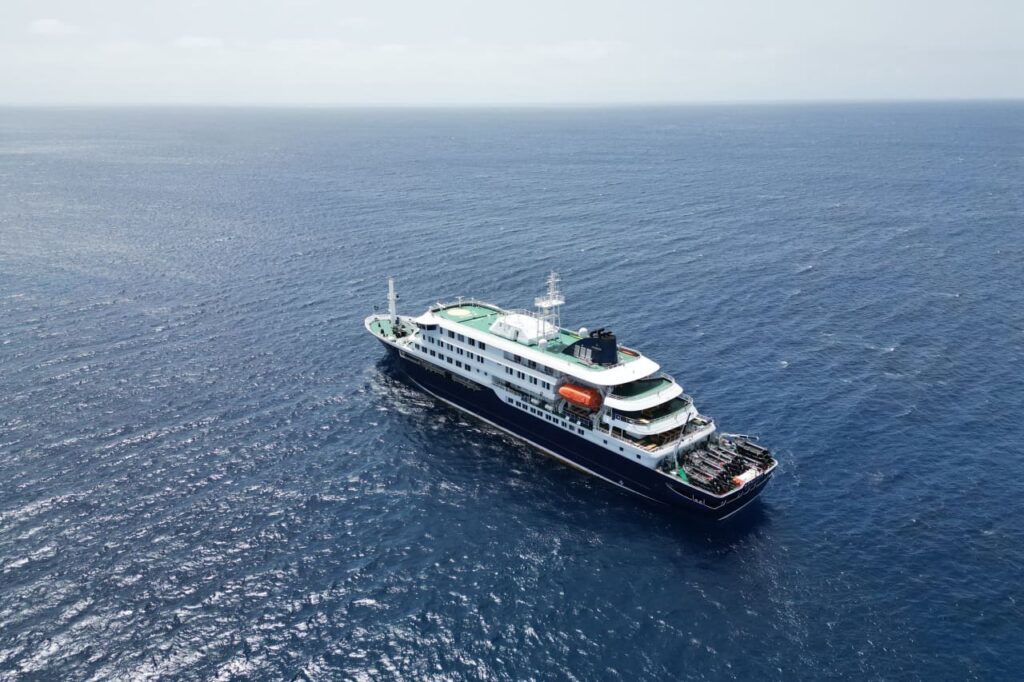
Health authorities are currently facing a pressing public health challenge as a rare form of hantavirus raises serious concerns following an outbreak reported on a cruise ship. The potential for human-to-human transmission, a characteristic not typically associated with most hantavirus strains, has propelled the Andes virus into the spotlight, sparking widespread alarm among medical professionals and passengers alike. The unfolding situation underscores a critical question: if multiple cases are indeed confirmed as this particularly virulent strain, the implications for containment and public safety would be profoundly worrisome.
Understanding Hantavirus: Atypical Transmission Alarms Experts
Hantaviruses are a family of viruses naturally carried by rodents, which typically shed the virus in their urine, feces, and saliva. Humans usually contract hantavirus when they breathe in aerosols contaminated with these excretions, particularly in enclosed spaces like barns, cabins, or storage units. Symptoms can range from flu-like illness to severe, life-threatening conditions like Hantavirus Pulmonary Syndrome (HPS). What makes the current cruise ship situation so alarming is the concern that this particular hantavirus outbreak involves a strain capable of spreading directly between people, a rare and dangerous deviation from the norm.
The Andes Virus: A Dangerous Exception
While most hantaviruses are not transmitted from person to person, the Andes virus, primarily found in parts of South America, is a notable and highly dangerous exception. It stands out because infected individuals can pass the virus to others through close contact, particularly via respiratory secretions. This distinctive mode of transmission significantly elevates the risk of an epidemic, especially in confined environments. The Andes virus causes a particularly severe form of HPS, characterized by acute respiratory distress, fluid accumulation in the lungs, and can have a mortality rate as high as 30-50%, making its potential presence in a cruise ship hantavirus outbreak a grave concern.
The Urgency of Identification
The rapid and accurate identification of the specific hantavirus strain involved in the cruise ship outbreak is paramount. If the Andes virus is confirmed, public health protocols would need to shift dramatically to implement stricter isolation measures, contact tracing, and potential quarantines to prevent broader transmission. This urgent diagnostic effort is crucial for guiding the appropriate medical response and protecting both passengers and crew, mitigating the severe public health threat posed by a contagious hantavirus.
Confined Spaces, Heightened Risk: The Cruise Ship Factor
A cruise ship presents a uniquely challenging environment for managing any infectious disease outbreak, let alone one with person-to-person transmission capabilities. The close quarters, shared facilities, and continuous interaction among hundreds or thousands of individuals create an ideal breeding ground for rapid viral spread. Unlike land-based outbreaks where containment can be geographically localized, a ship represents a contained, mobile community where an infectious agent like the Andes virus could propagate quickly before a port is reached. This amplified risk underscores why the possibility of a contagious hantavirus outbreak aboard a vessel is prompting such intense scrutiny and concern from international health organizations.
Responding to a Potential Crisis
As investigations continue, health officials are meticulously working to confirm the exact nature of the hantavirus and its transmission pathway. The focus remains on isolating suspected cases, monitoring individuals who may have been exposed, and providing critical medical care. The potential for a hantavirus outbreak involving a person-to-person transmissible strain on a cruise ship serves as a stark reminder of the constant vigilance required in global public health and the serious implications that rare, yet dangerous, pathogens can pose to communities, even those seemingly isolated at sea.
Fonte: https://www.marketwatch.com