
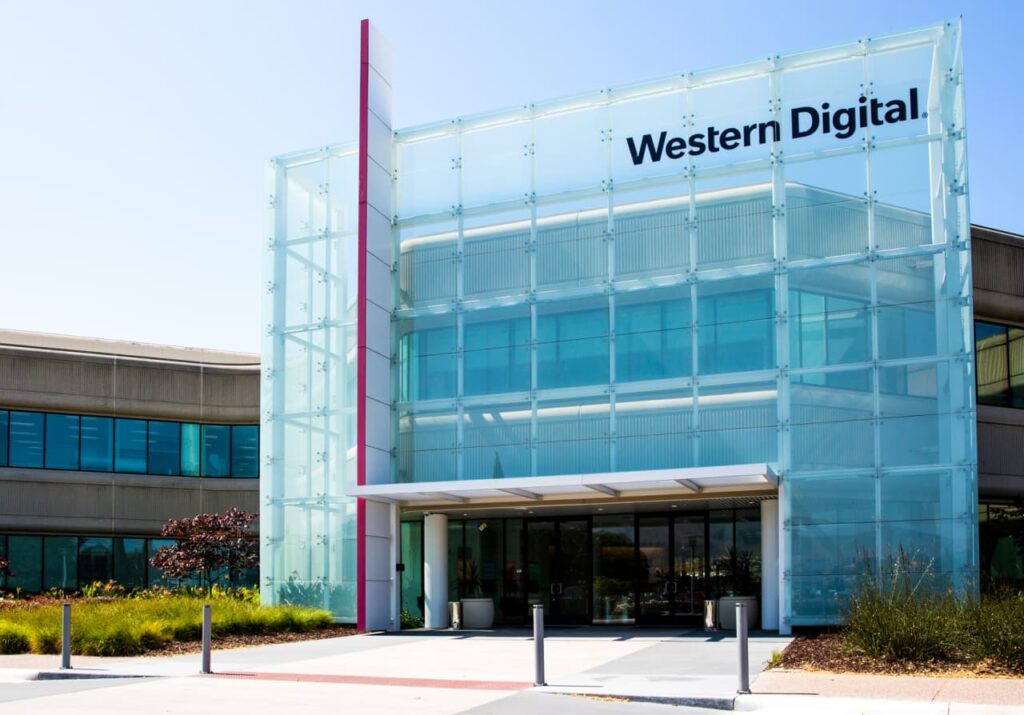
In a surprising turn of events, shares of Western Digital, a prominent player in data storage solutions, have experienced a downturn despite the company reporting what many might consider upbeat financial results. This market reaction underscores the complex dynamics of investor sentiment, especially following a period of significant stock appreciation. The memory market, a critical segment for Western Digital, has been under intense scrutiny, and the latest movements suggest that even good news isn't always enough to satisfy heightened expectations.
The Paradox of Positive Performance
Western Digital, encompassing its core business and the renowned SanDisk brand, recently delivered financial figures that painted a picture of recovery and operational strength. Typically, such positive earnings reports would propel a company's stock upward. However, the market’s response has been distinctly muted, if not outright negative. This divergence highlights a key aspect of modern investing: it's not just about beating expectations, but about how much you beat them, and what the future guidance portends.
Why Investors Are Skeptical
The skepticism surrounding Western Digital's stock, even in the face of seemingly favorable earnings, can be attributed largely to the substantial rallies its shares have enjoyed over the past year. Following a challenging period for the memory and storage industry, the stock had already staged a robust rebound. This run-up meant that much of the positive outlook, including the anticipated recovery in demand for NAND flash and hard drives, was likely already 'priced in' by the market. Investors, having reaped considerable gains, are now setting an even higher bar for future performance, scrutinizing every detail for signs of decelerating growth or unaddressed long-term challenges.
Navigating the Volatile Memory Market
The broader memory trade, particularly the NAND flash market where SanDisk plays a vital role, is notoriously cyclical. After a significant downturn, the industry has shown signs of stabilization and recovery, driven by increasing demand for data centers, AI applications, and consumer electronics. Western Digital's recent results reflect this nascent recovery. However, the market remains sensitive to inventory levels, pricing power, and competitive pressures. Any indication that the recovery might not be as robust or sustained as initially hoped can quickly dampen investor enthusiasm, regardless of strong short-term numbers.
The company's strategy for navigating this volatile environment, including potential structural changes or continued investments in next-generation technologies, is constantly under investor microscope. When current performance, even if positive, doesn't align with these elevated future expectations, a recalibration of Western Digital's stock valuation often occurs.
The Road Ahead for Western Digital
The recent dip in Western Digital's stock following its earnings report serves as a potent reminder that market reactions are rarely straightforward. While the company's operational performance may be sound, the weight of prior gains and the ever-present specter of future uncertainty can overshadow current successes. For Western Digital, the challenge now lies not just in delivering strong results, but in clearly articulating a sustainable growth trajectory that can consistently meet, and ideally exceed, the increasingly demanding expectations of investors in a dynamic and competitive global memory market.
Fonte: https://www.marketwatch.com