
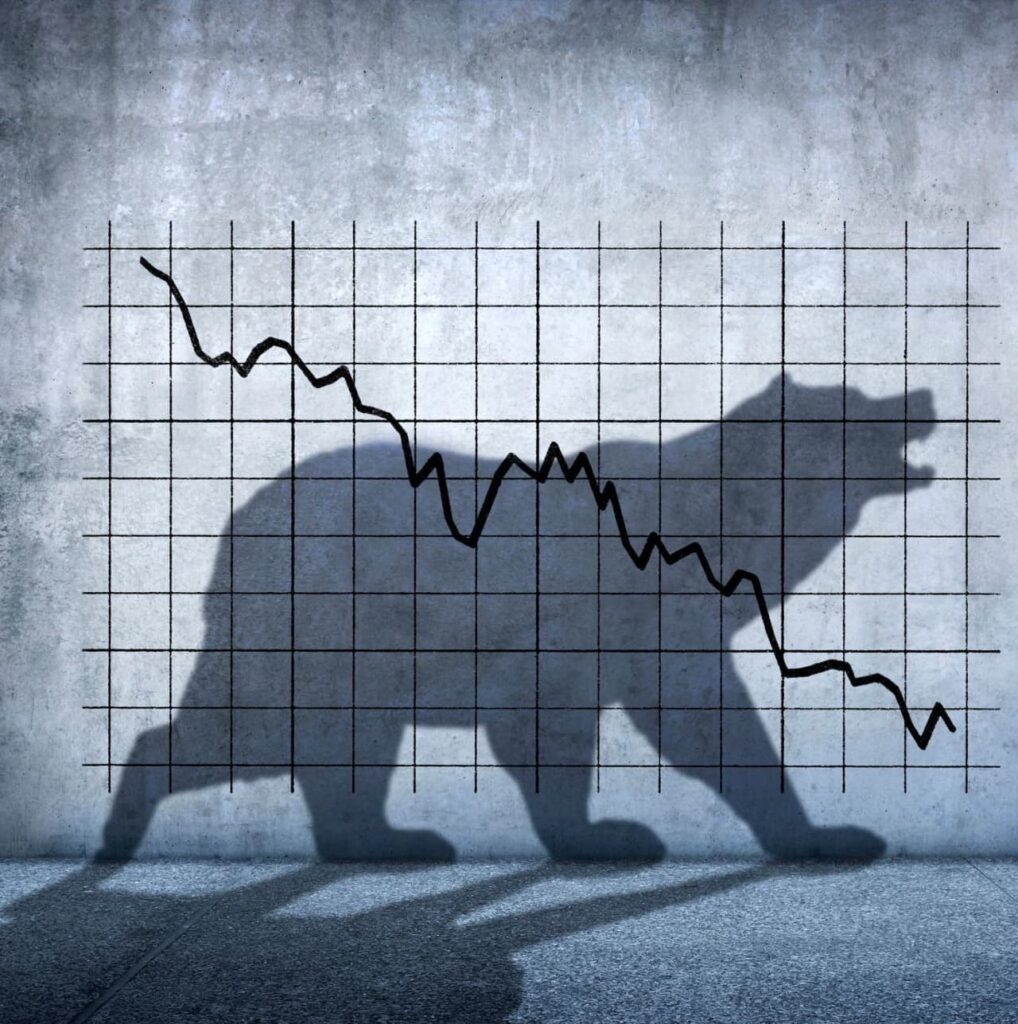
As the stock market continues its ascent, many investors might feel a sense of security, believing the rally is here to stay. However, a potent, often-overlooked market-timing indicator, the gold-platinum ratio, is flashing a strong warning sign. Historically a reliable barometer of economic sentiment and impending market shifts, this ratio currently suggests that the equity markets might be operating on borrowed time, hinting that a significant correction could be overdue.
Decoding the Gold-Platinum Ratio as a Market Signal
The gold-platinum ratio is a simple yet powerful comparative measure of the price of gold against the price of platinum. While both are precious metals, their industrial applications and perceived roles in the economy differ significantly, making their relative performance a crucial gauge. Gold is traditionally seen as a safe-haven asset, attracting investment during times of uncertainty, inflation, or economic instability. Platinum, on the other hand, is heavily utilized in industrial applications, particularly in catalytic converters for automobiles, making its demand closely tied to economic growth and manufacturing activity.
What the Current Discrepancy Implies
Typically, during periods of robust economic expansion, platinum tends to trade at a premium to gold, reflecting strong industrial demand and optimism. Conversely, when the gold-platinum ratio rises — meaning gold is becoming more expensive relative to platinum, or platinum is significantly underperforming gold — it often signals an underlying weakening of economic fundamentals. This divergence suggests that investors are increasingly seeking the safety of gold, while demand for industrially-dependent platinum wanes, a classic precursor to economic slowdowns and, subsequently, stock market downturns. The current elevated gold-platinum ratio strongly indicates that this flight to safety is underway, challenging the prevailing bullish narrative in equities.
Historical Precedent and Investor Caution
Financial analysts and market historians often point to the gold-platinum ratio's track record as a forward-looking indicator. While no single metric is infallible, its predictive power in anticipating shifts in the broader economic cycle and subsequent market corrections has earned it a respected place among elite market-timing tools. Periods where platinum significantly underperformed gold have frequently preceded periods of heightened market volatility or outright bear markets, making its current signal particularly pertinent for investors.
Today's market environment, characterized by strong equity performance, may foster a sense of complacency. However, the unequivocal signal from the gold-platinum ratio urges a deeper examination of underlying economic health. It acts as a stark reminder that market rallies, no matter how robust, can quickly lose momentum if the foundational economic conditions deteriorate, prompting a reassessment of risk exposure.
Navigating Potential Volatility Ahead
For investors, understanding the implications of the gold-platinum ratio is not about panic, but about informed preparedness. While market timing is notoriously difficult, recognizing these early warning signs allows for a proactive review of portfolios. Strategies might include re-evaluating risk tolerance, diversifying holdings, or considering defensive assets. The message is clear: even during seemingly stable periods, fundamental indicators like the gold-platinum ratio can provide invaluable insights into shifts beneath the market's surface.
The stock market's current trajectory may appear robust, but the cautionary tale from the gold-platinum ratio serves as a vital alert. It suggests that the current rally could be on thin ice, underscoring the importance of vigilance and strategic planning in what may soon become a more challenging investment landscape. Investors would be wise to heed this elite indicator's message and consider its implications for their financial future.
Fonte: https://www.marketwatch.com